Research and Professional Projects
Non-contact rail wheel defect diagnostics using air-coupled ultrasonic acoustic emission (MxV Rail)
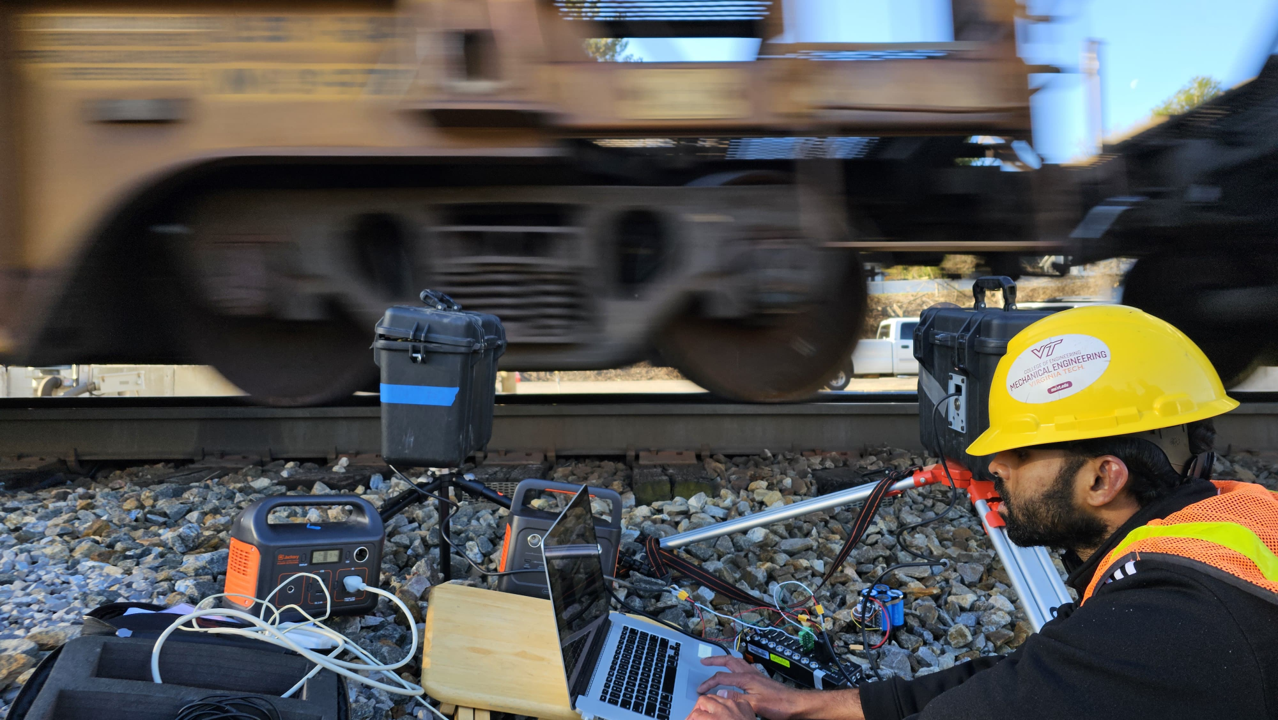
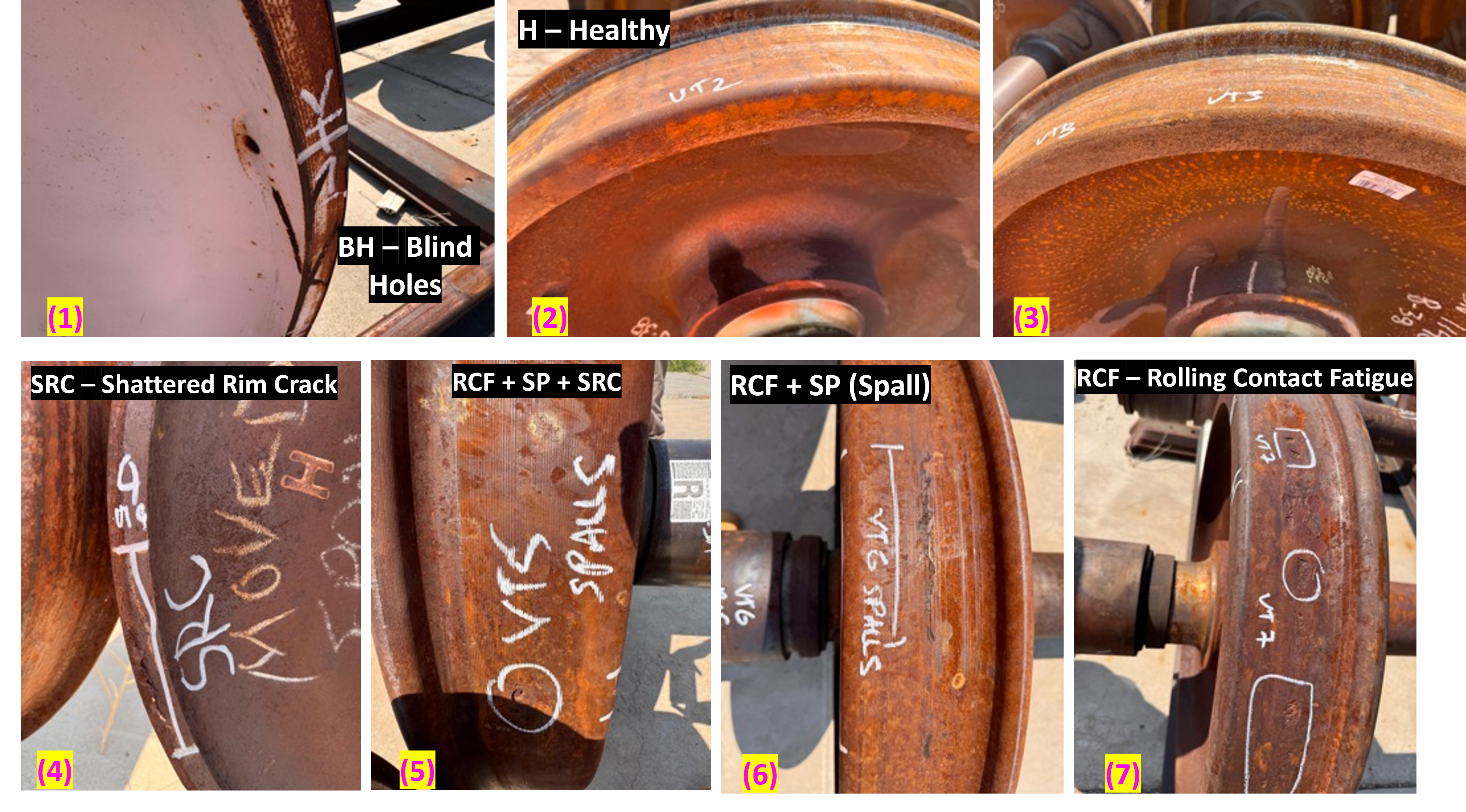
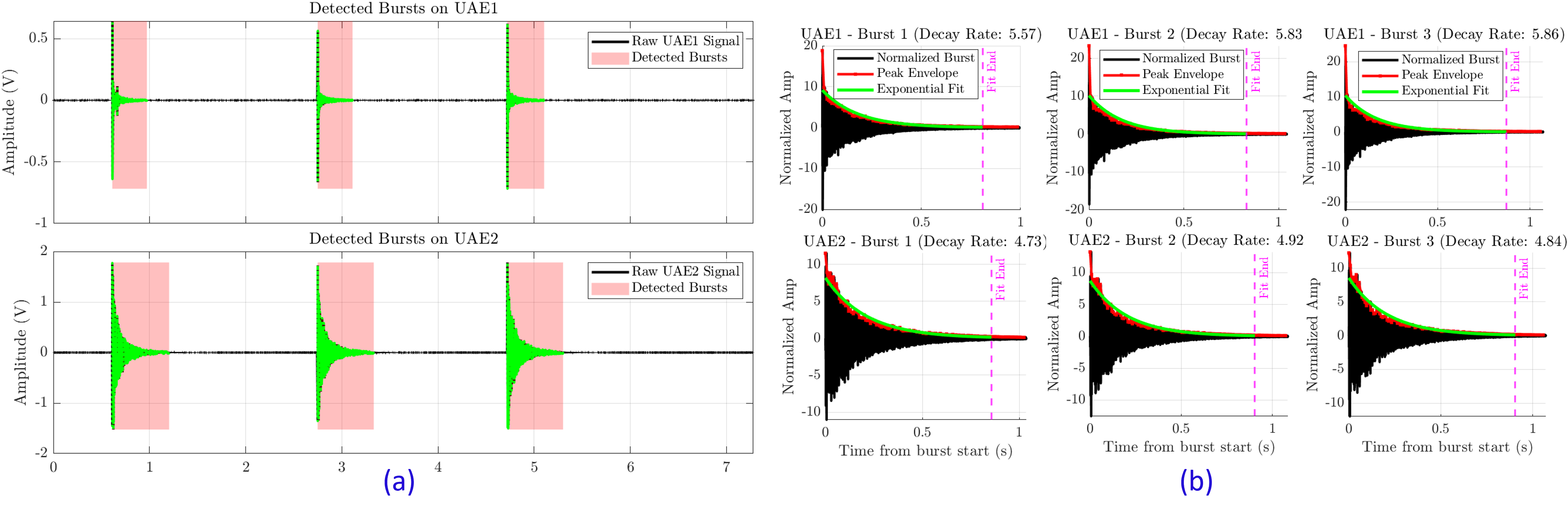
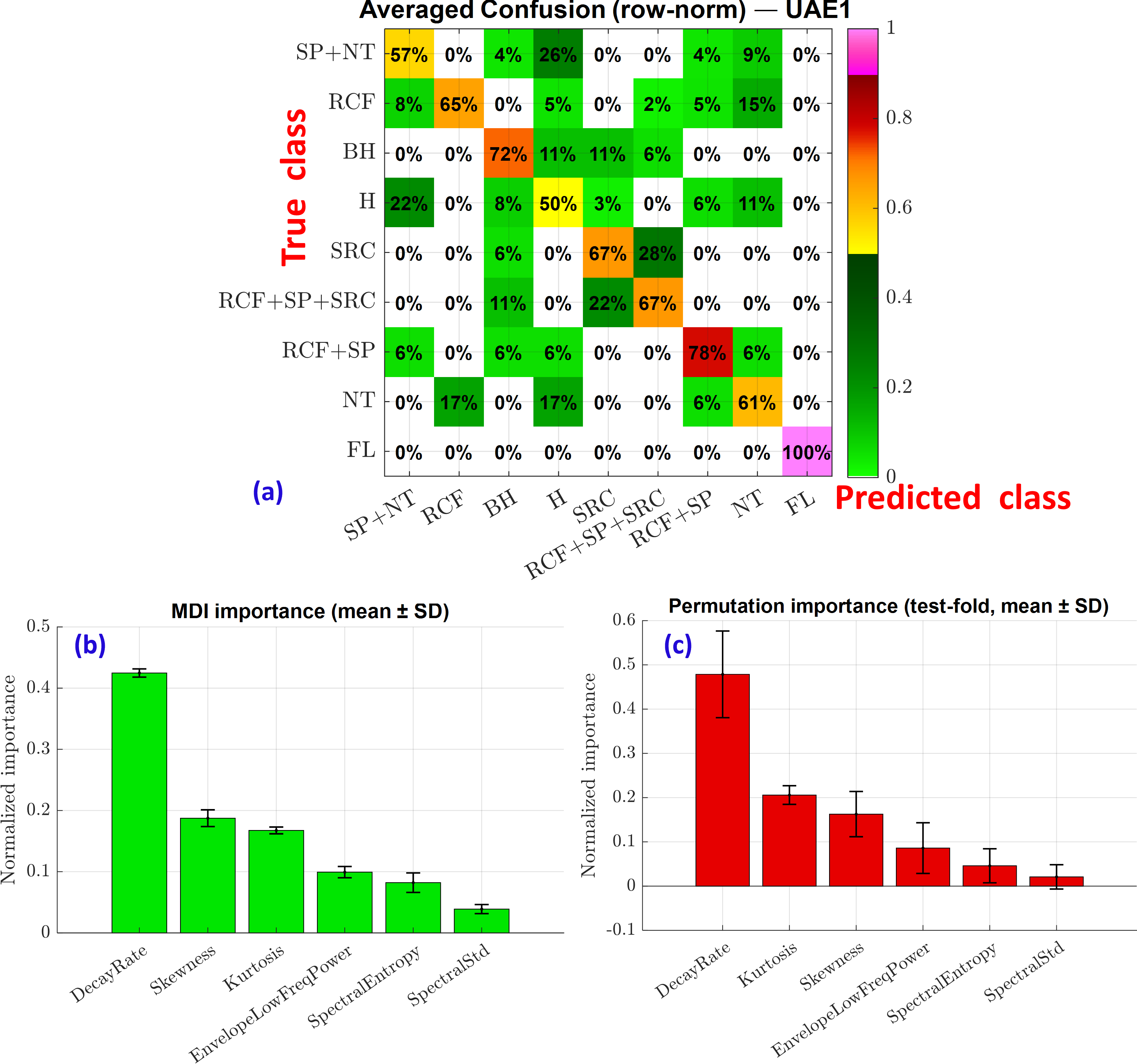
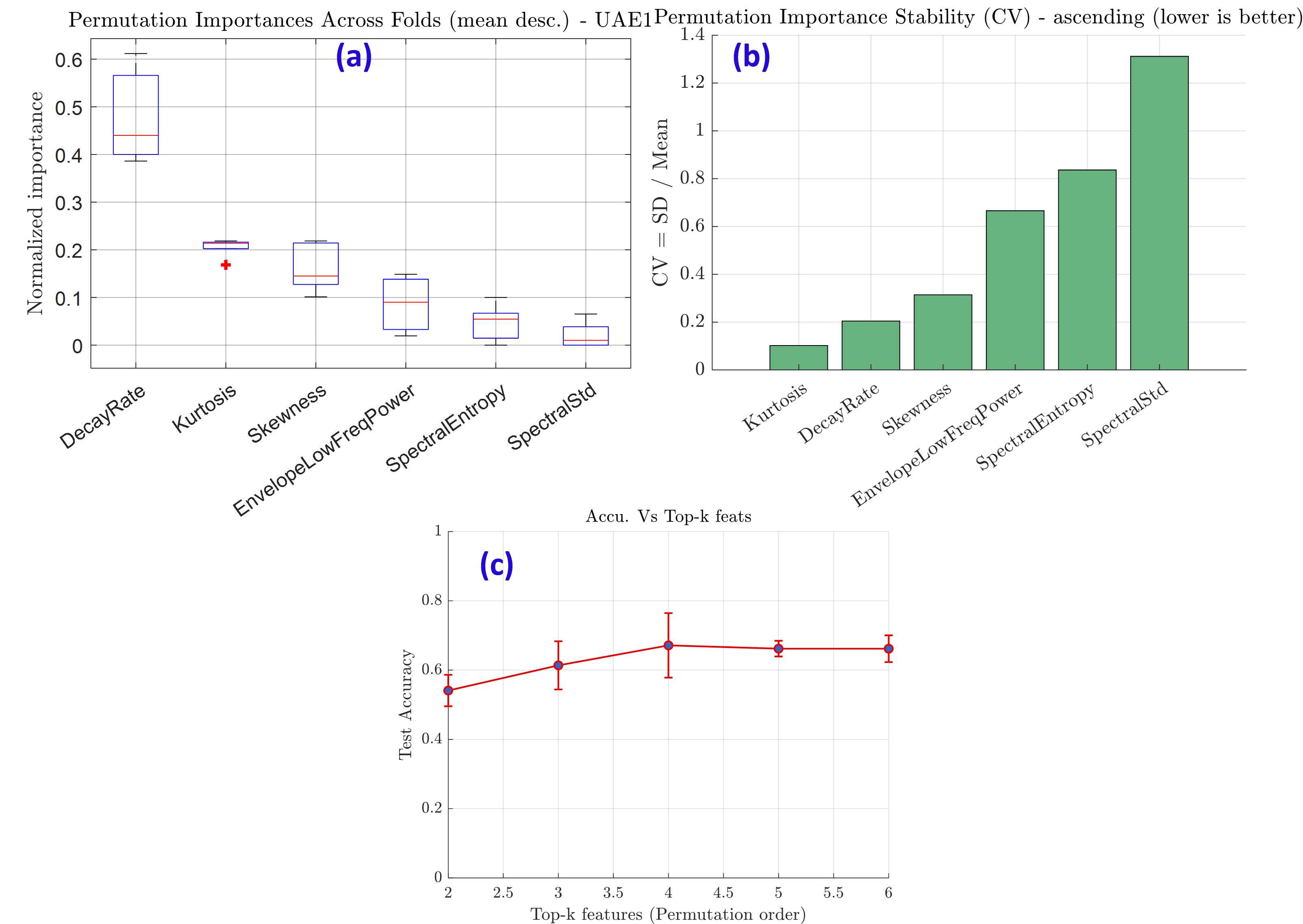

This research, conducted in collaboration with MxV Rail, advances a non-contact diagnostic framework for detecting structurally significant rail wheel defects using air-coupled Ultrasonic Acoustic Emission (UAE). Unlike traditional contact-based methods that require liquid couplants or low speeds, this approach captures high-frequency (20–80 kHz) ultrasonic bursts generated by defect-related frictional energy dissipation under dynamic loading.
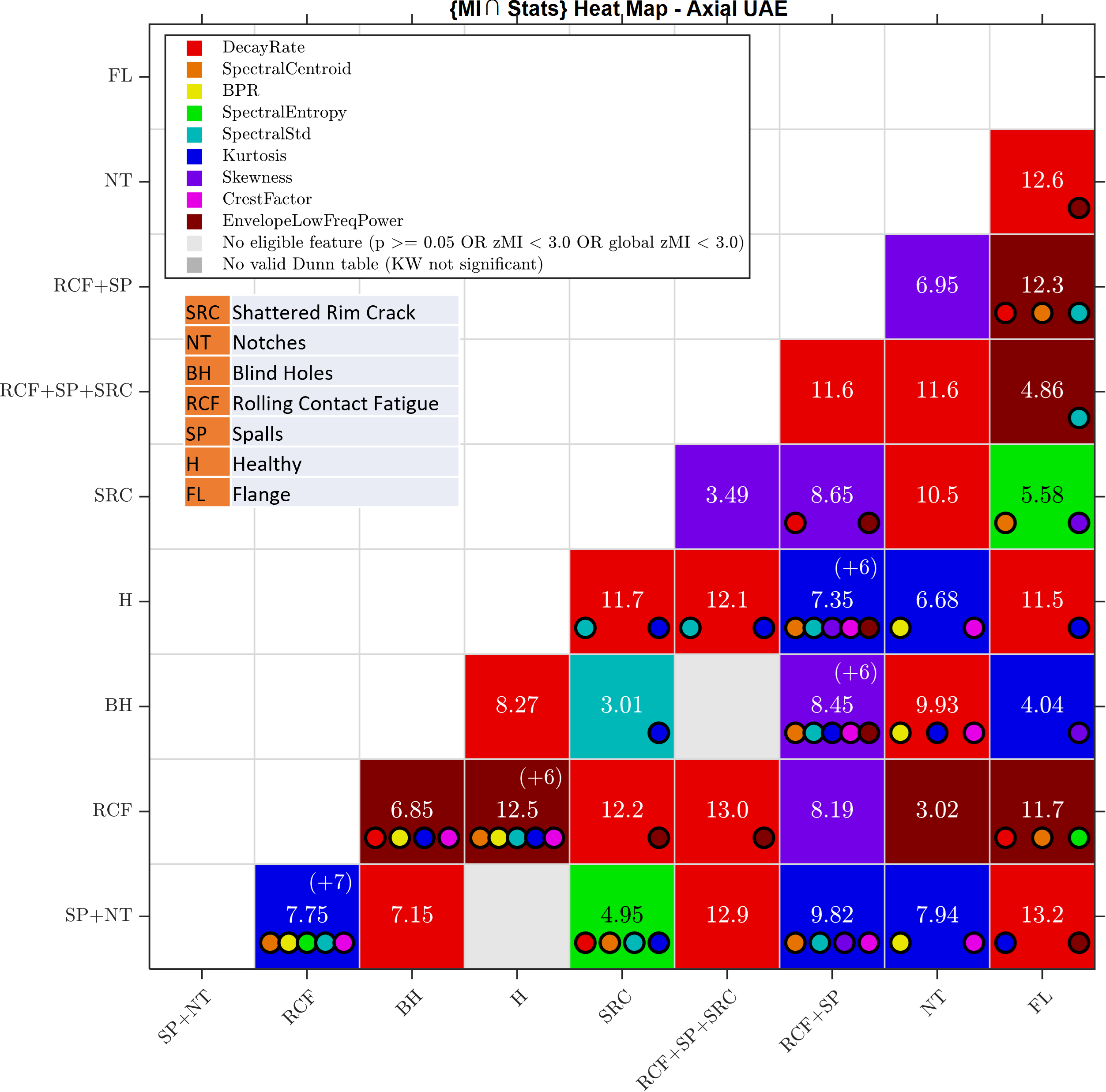
By establishing a physics-based ground truth through controlled impact testing, the project identifies a robust acoustic fingerprint that enables wheel health assessment without interrupting revenue service. Further an automated machine learning framework was developed (Random Forest), where multi-class classifiers translate these complex acoustic signatures into precise, actionable diagnostic insights.
- Non-contact sensing at operationally relevant speeds and standoff distances.
- Controlled experiments to validate defect-specific acoustic signatures.
- Multi-class ML pipeline for diagnostic inference and feature interpretability.
High-speed control for articulated autonomous vehicles (PhD research)
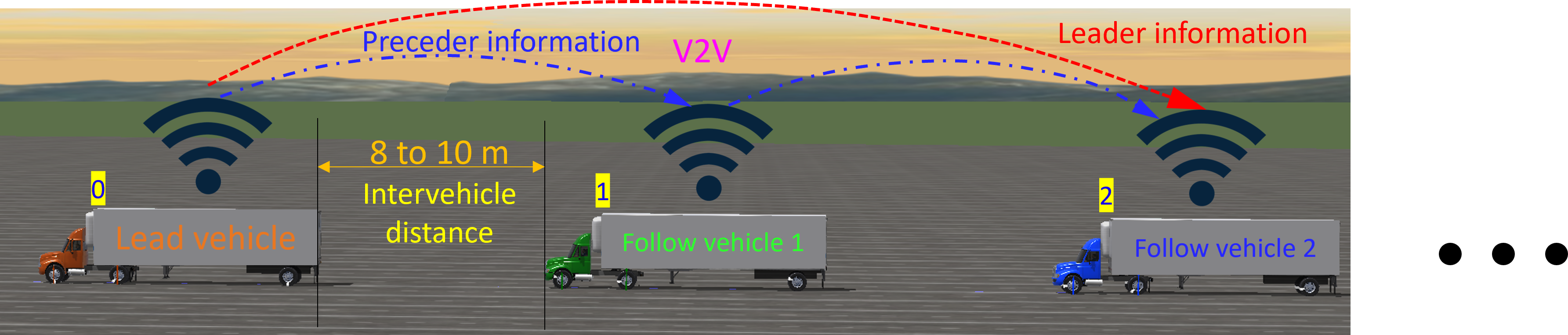
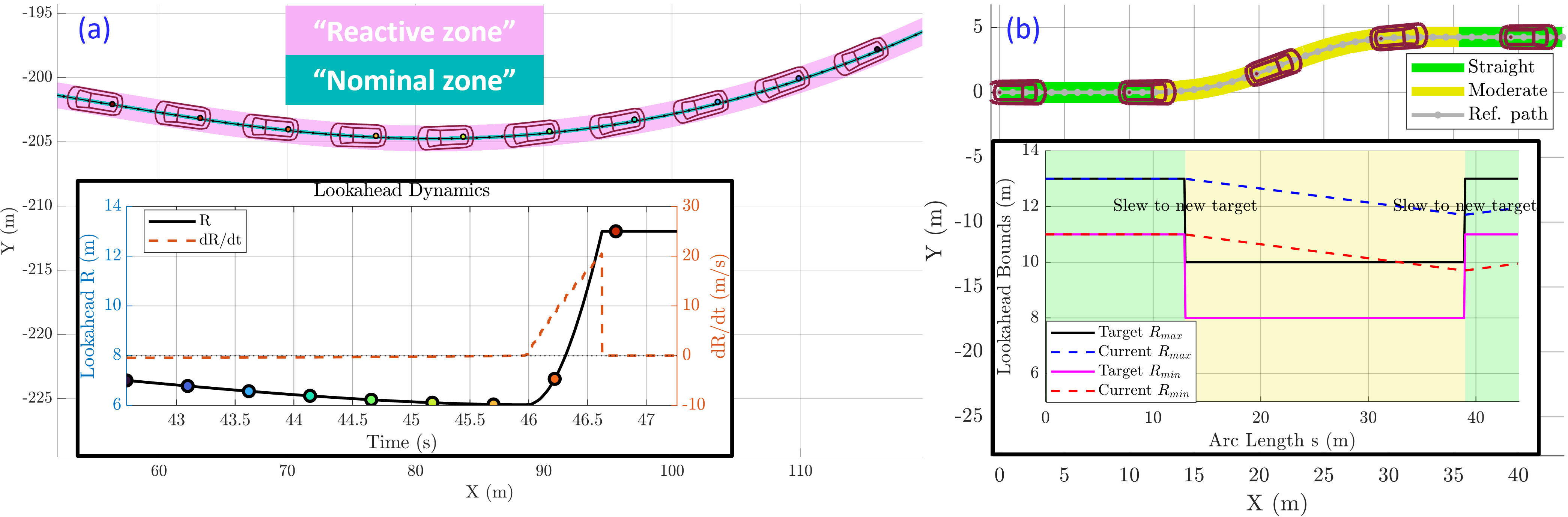
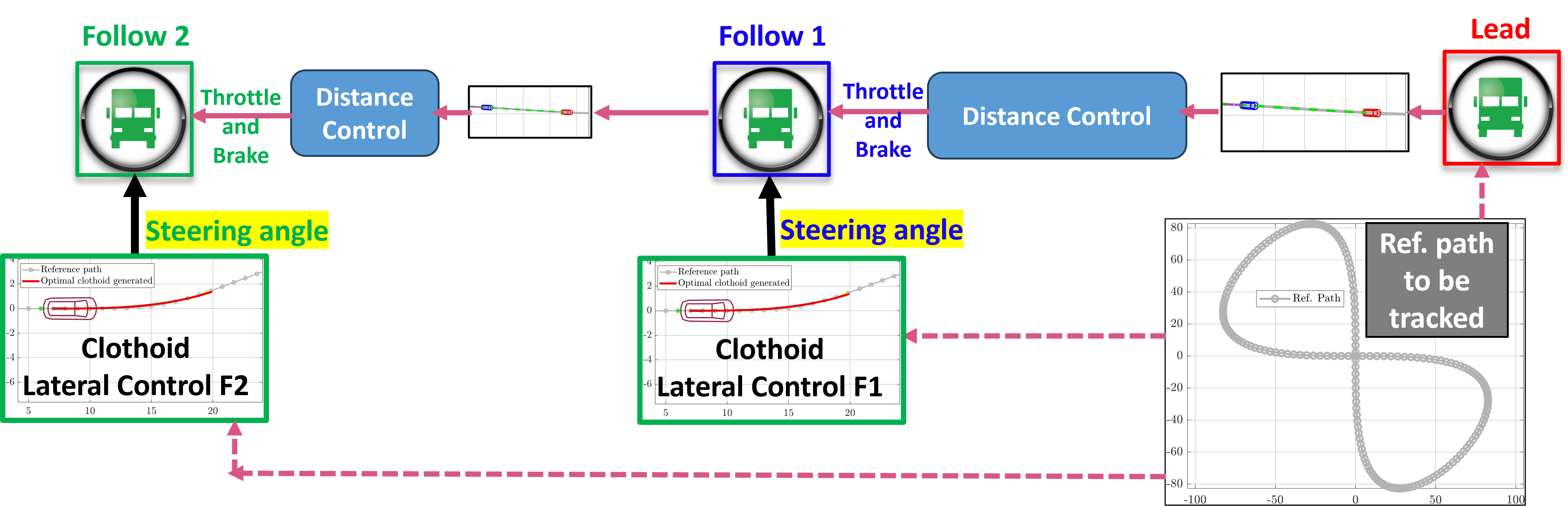
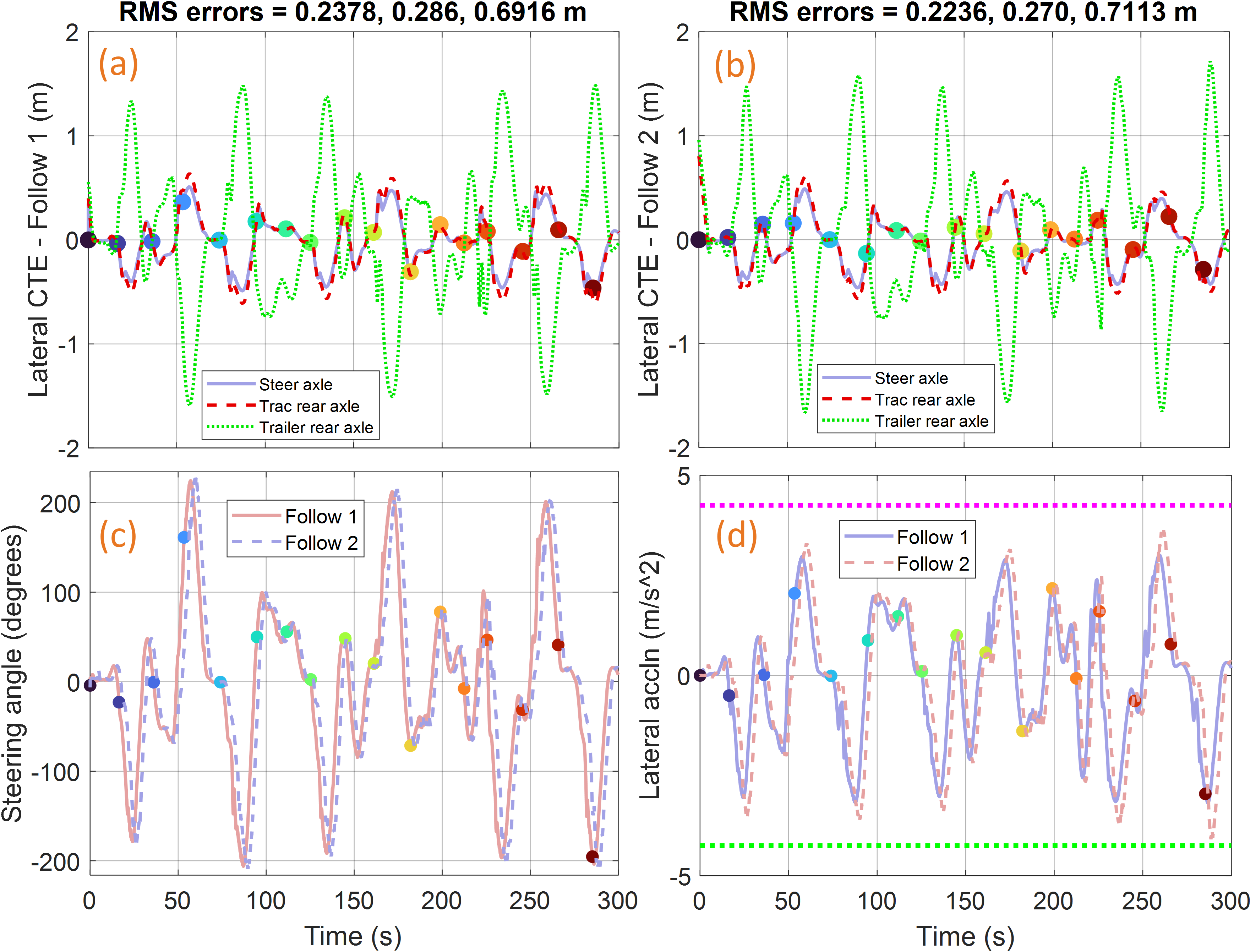
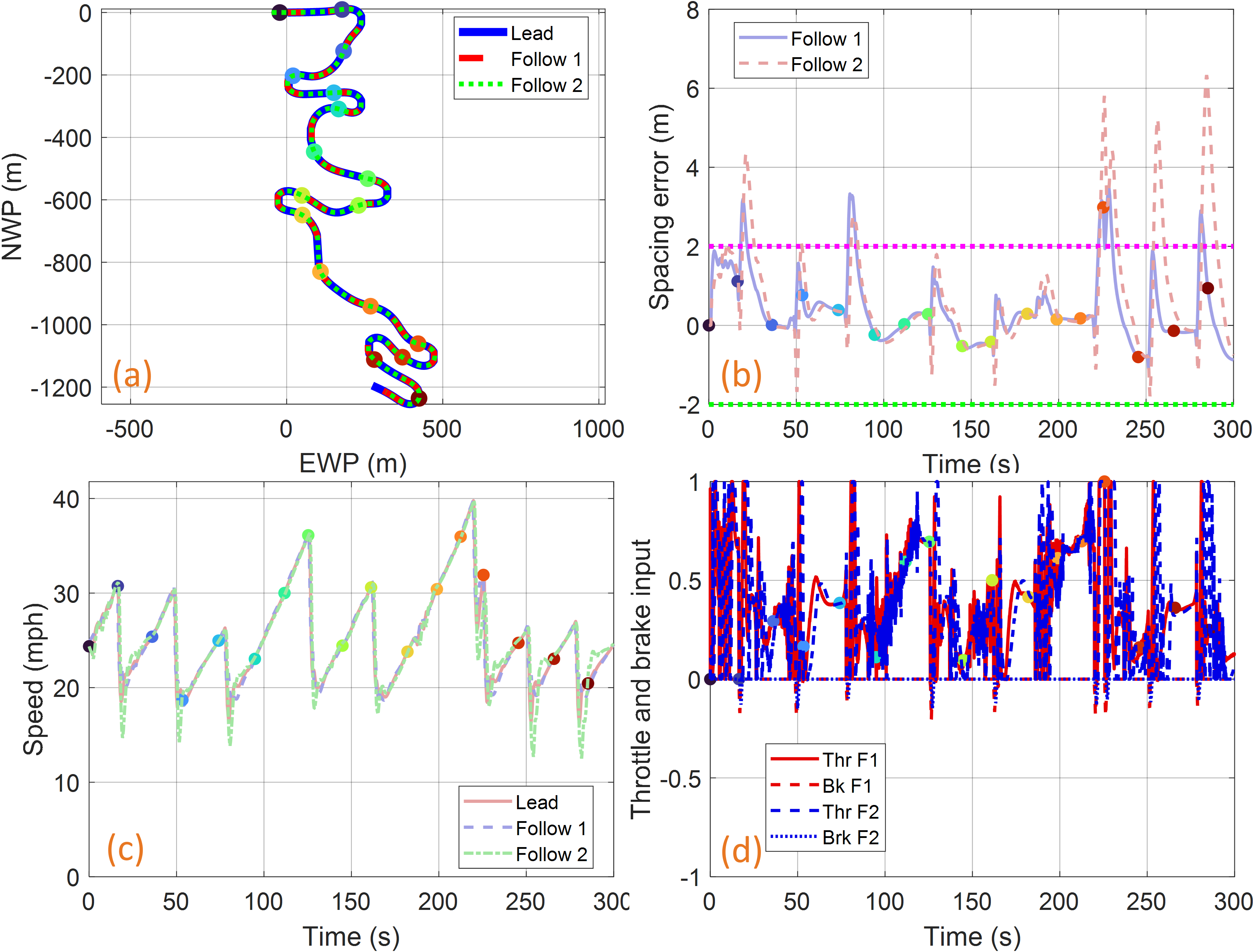
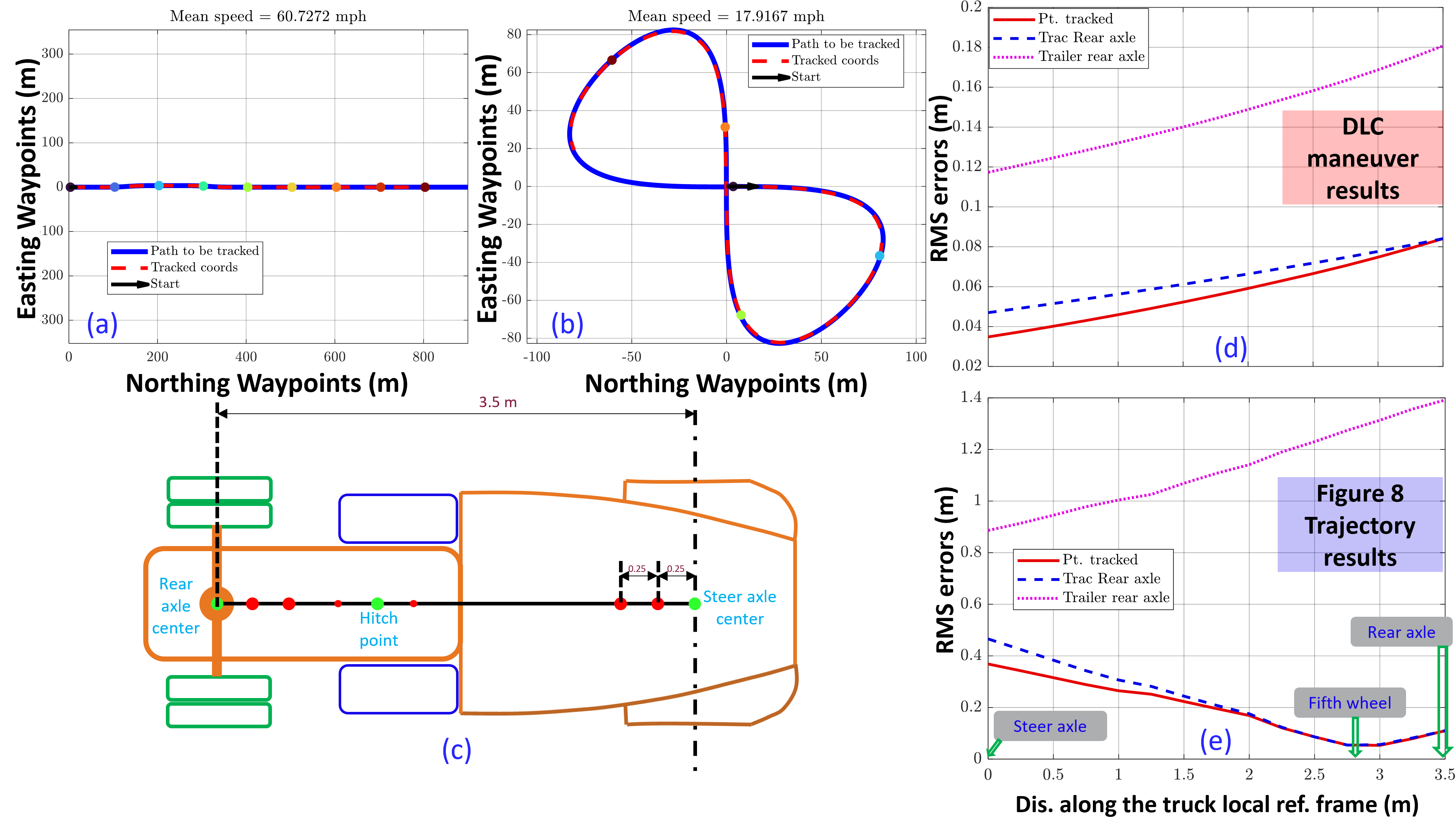
Doctoral research addressed stability and coordination challenges for heavy-duty articulated vehicles operating in high-speed platoons. A unified control framework was developed that combines a nested PID architecture for longitudinal regulation with a modified clothoid-based lateral controller for accurate path tracking in TruckSim–Simulink co-simulation.
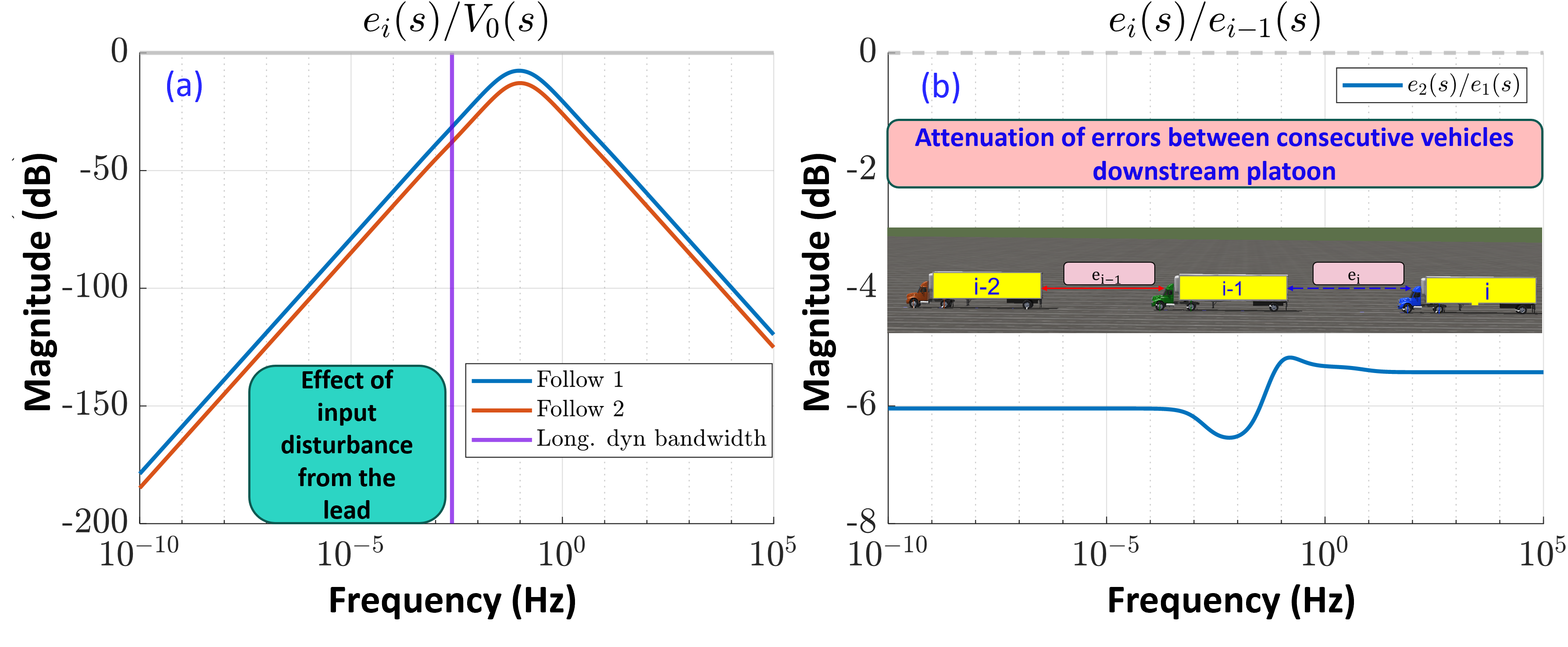
For longitudinal control, an arc-length-based spacing error formulation enabled precise gap regulation on curved trajectories, supported by a formal proof of string stability to ensure that disturbances do not amplify along the vehicle stream. For lateral control at highway speeds, an adaptive lookahead mechanism was implemented to adjust preview distance using curvature and cross-track error. Traditional Ackermann-based steering relations were replaced with a data-driven steering-to-curvature look-up table, augmented with a lead filter to compensate lateral dynamics and system lag. The framework supports tracking different reference points on the tractor and scales naturally to both single-body and articulated vehicles, yielding robust performance on complex routes such as the Blue Ridge Parkway and South Grade Road.
- String-stable longitudinal platooning with curvature-aware (arc-length) spacing error.
- High-speed lateral control using adaptive lookahead for improved tracking on varying curvature.
- LUT-based steering-to-curvature mapping with lead compensation and scalable reference-point tracking.
Transient tire modeling for improved vehicle handling simulations (Master's research)
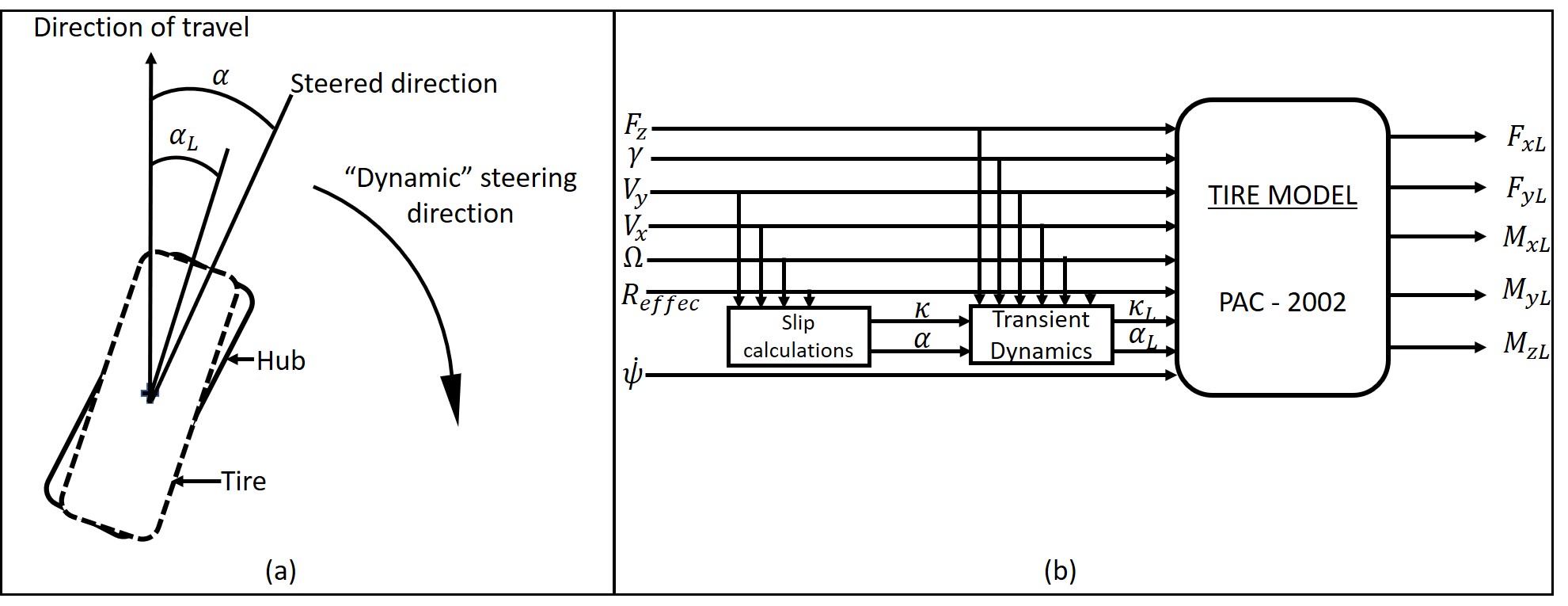
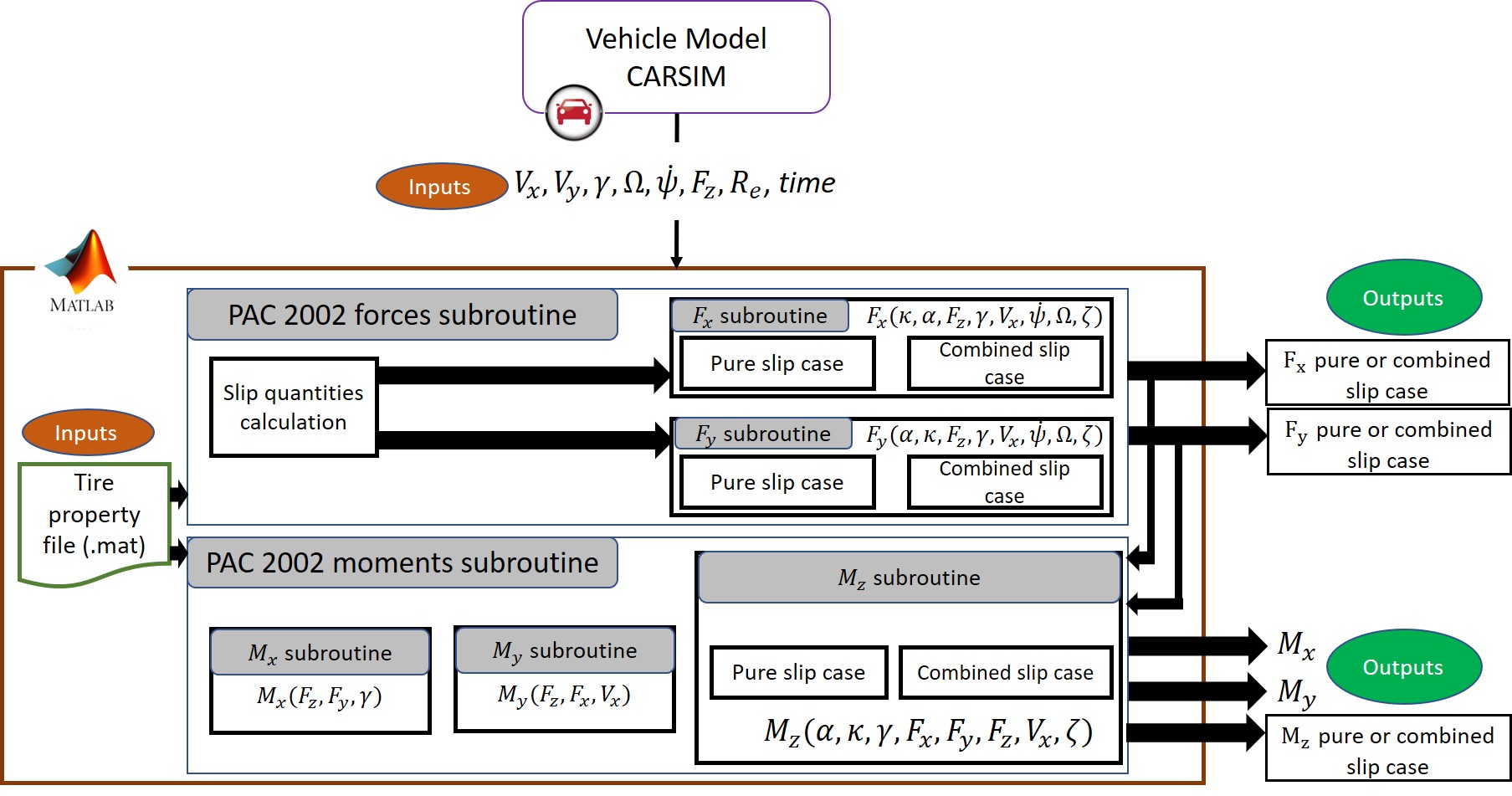
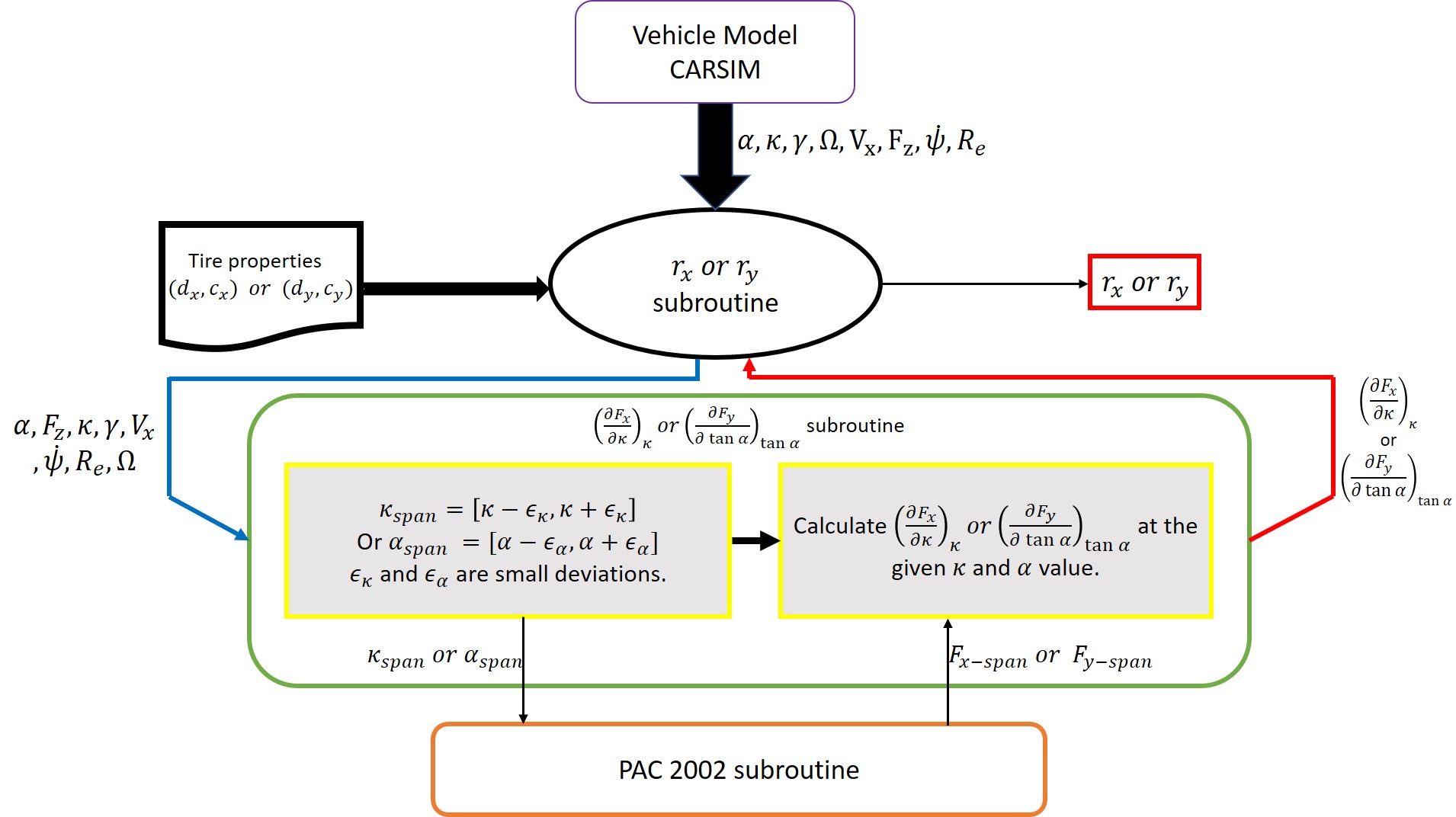
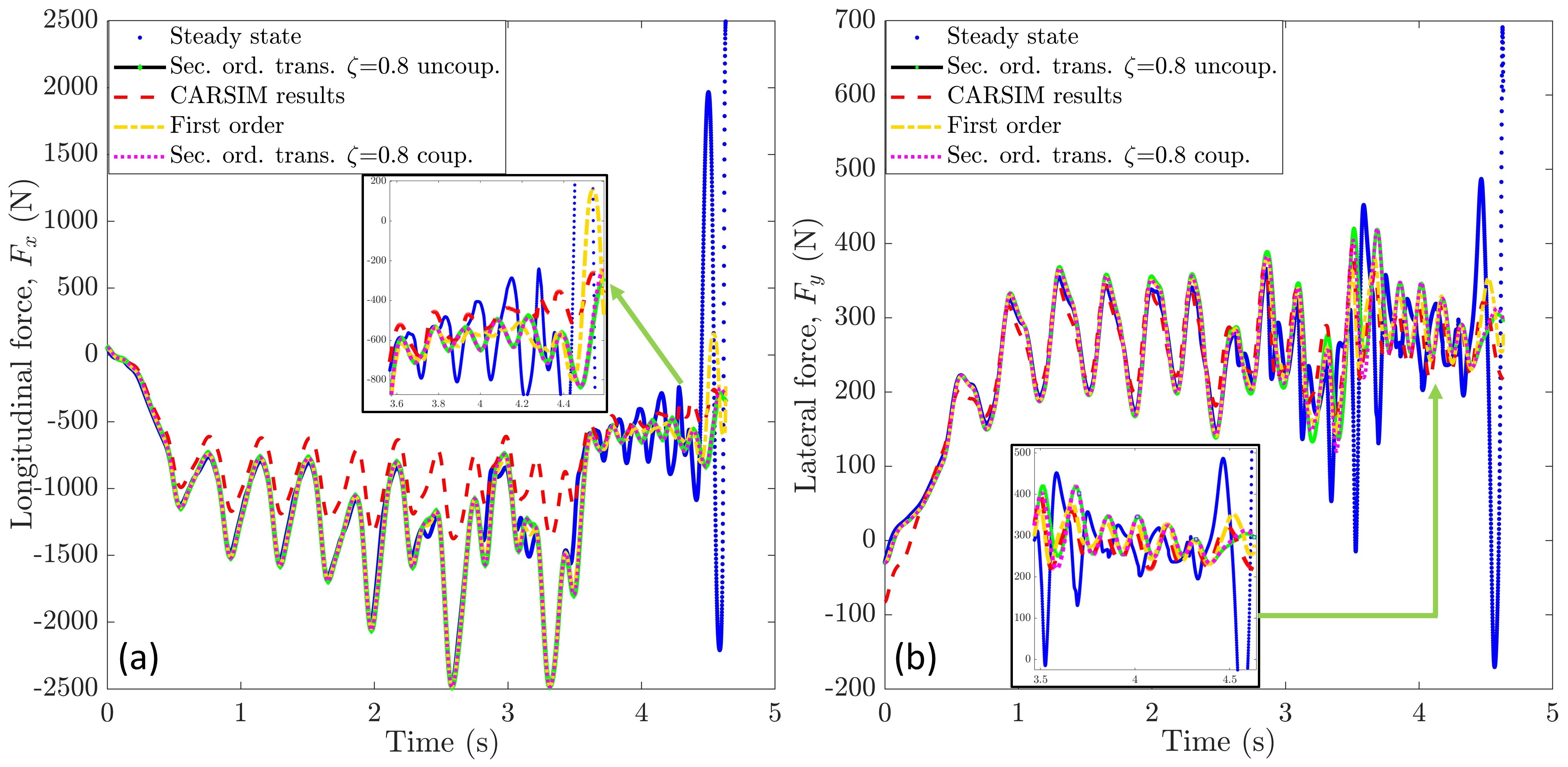
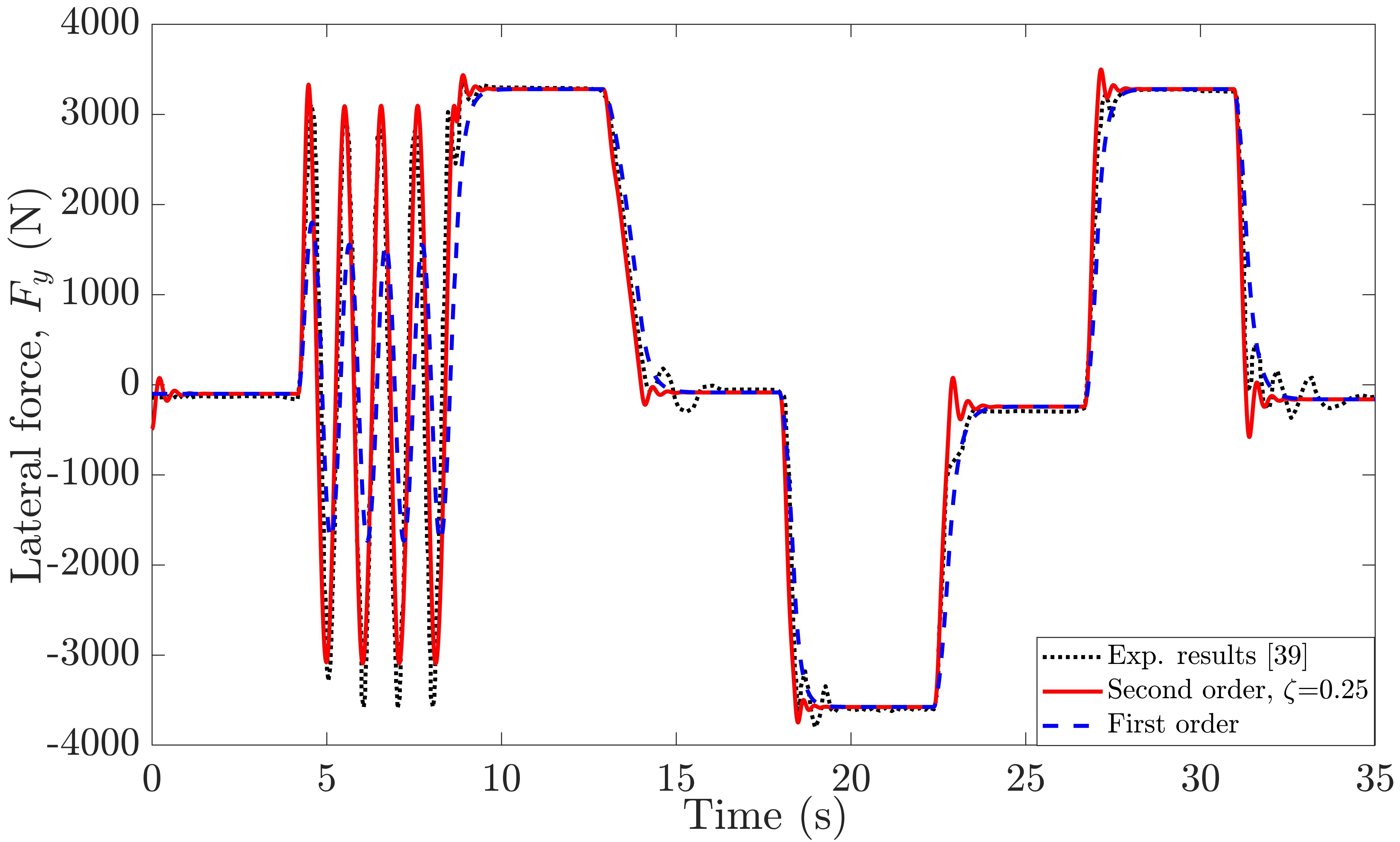
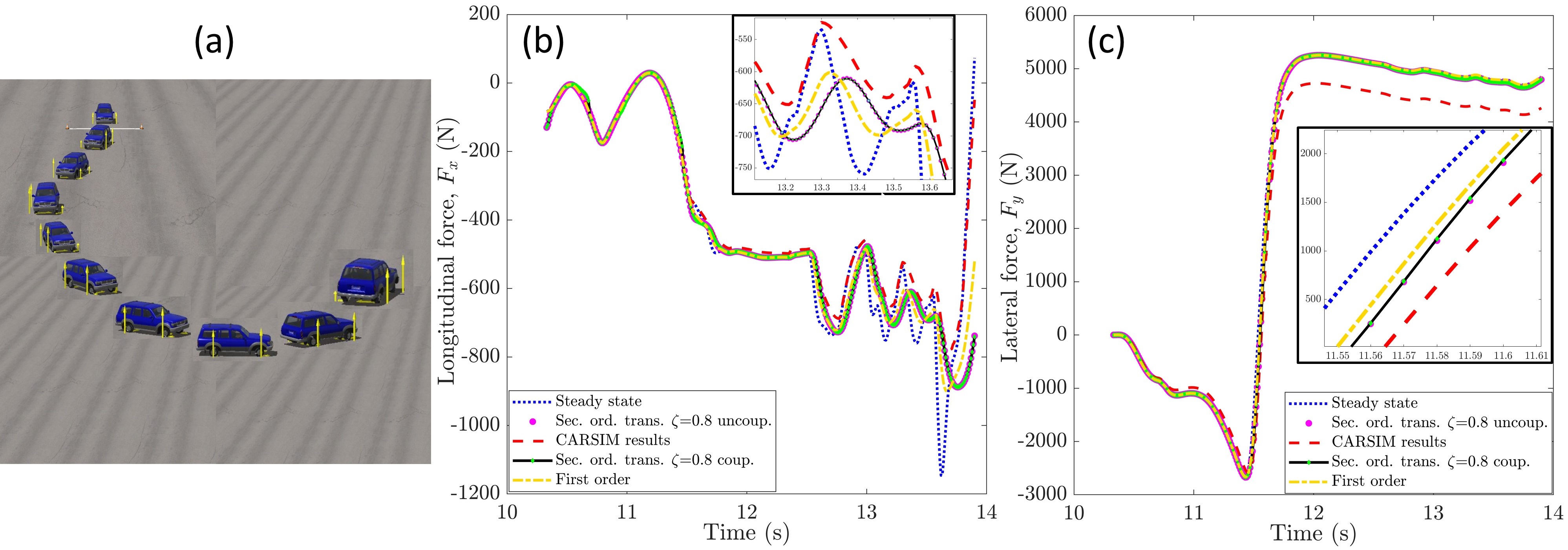
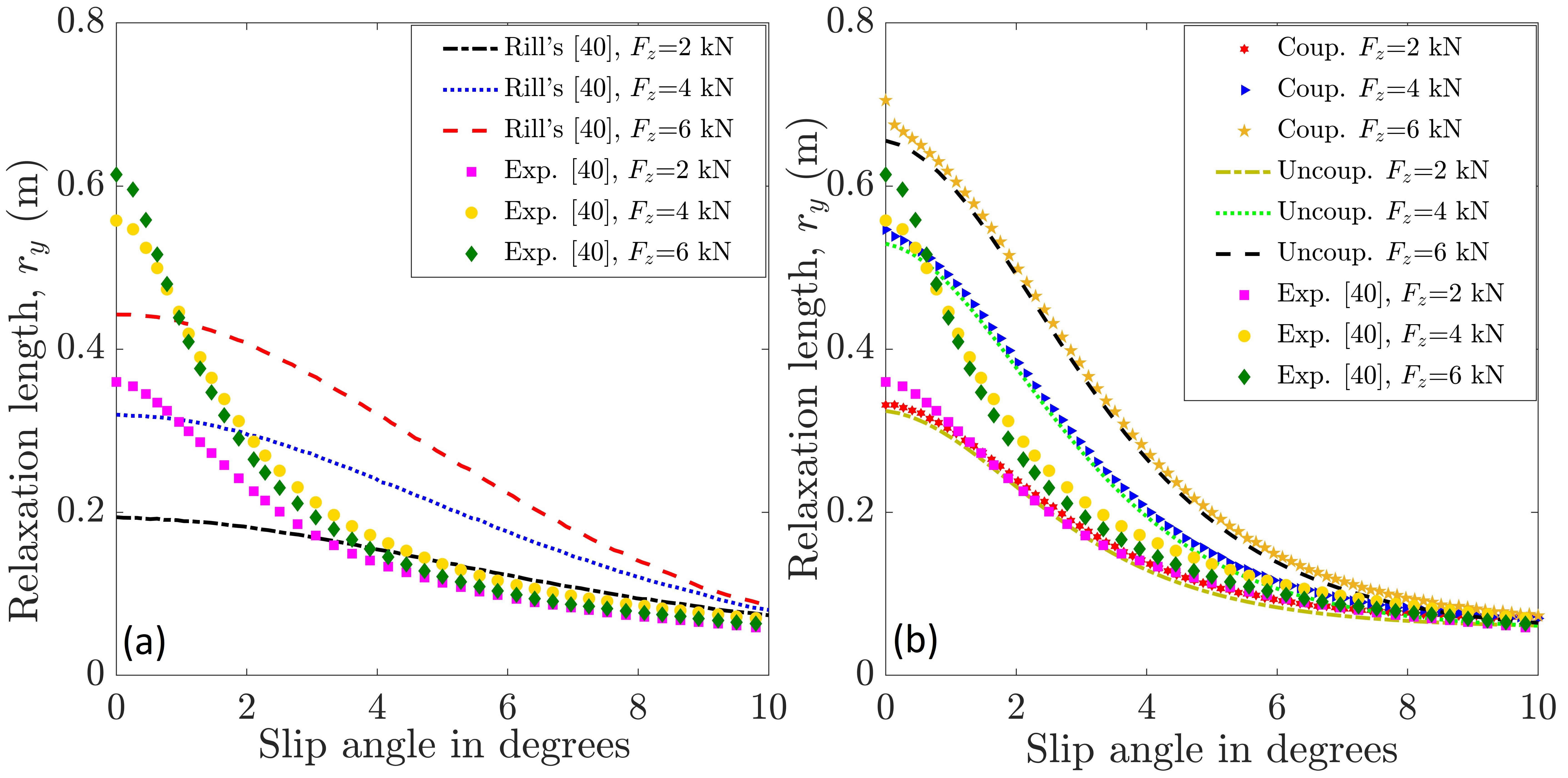
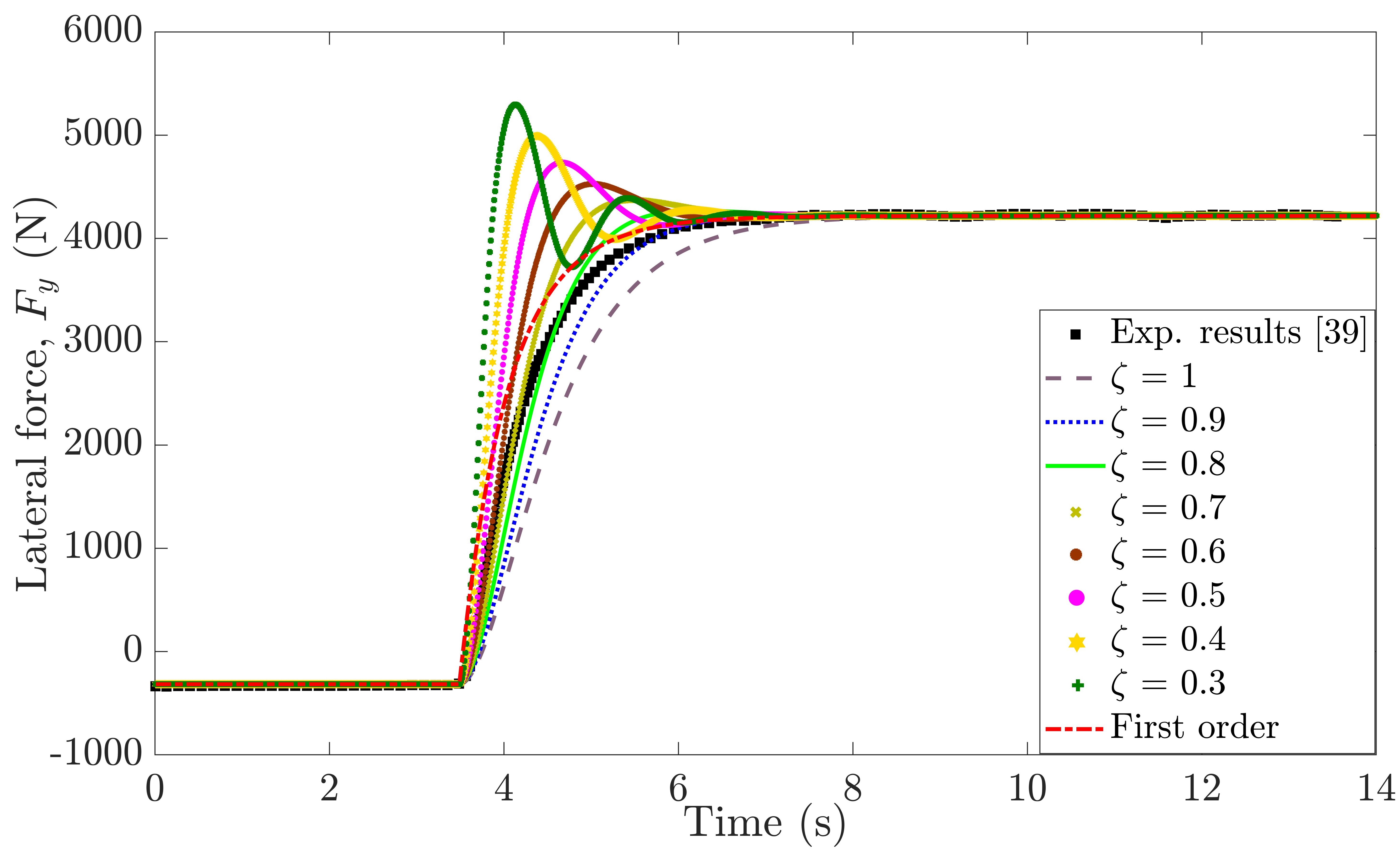
This research addressed a key limitation in vehicle handling simulations: the lag in tire force generation caused by carcass compliance. While industry-standard steady-state models such as PAC2002 (Magic Formula) are effective for equilibrium behavior, they often miss the transient dynamics needed for safety-critical applications such as ADAS and ABS. A general transient handling model was developed by implementing a second-order lag formulation, providing improved flexibility and accuracy compared to common first-order approximations.
Longitudinal and lateral relaxation lengths were estimated analytically using Taylor-series-based approximations, and the framework was extended to capture coupling between longitudinal and lateral dynamics that is typically neglected in simplified approaches. The final model was implemented in MATLAB and validated against CarSim maneuvers (including Fish-hook and ABS braking) and experimental data, supporting real-time “tire-as-a-sensor” use cases.
- Second-order lag tire-force dynamics to capture transient force build-up from carcass compliance.
- Analytical relaxation length estimation using Taylor series, with longitudinal–lateral coupling.
- MATLAB implementation validated using CarSim maneuvers and experimental datasets.
Selected Coursework Projects
Nonlinear state estimation: batch Gauss–Newton and recursive Bayesian filtering
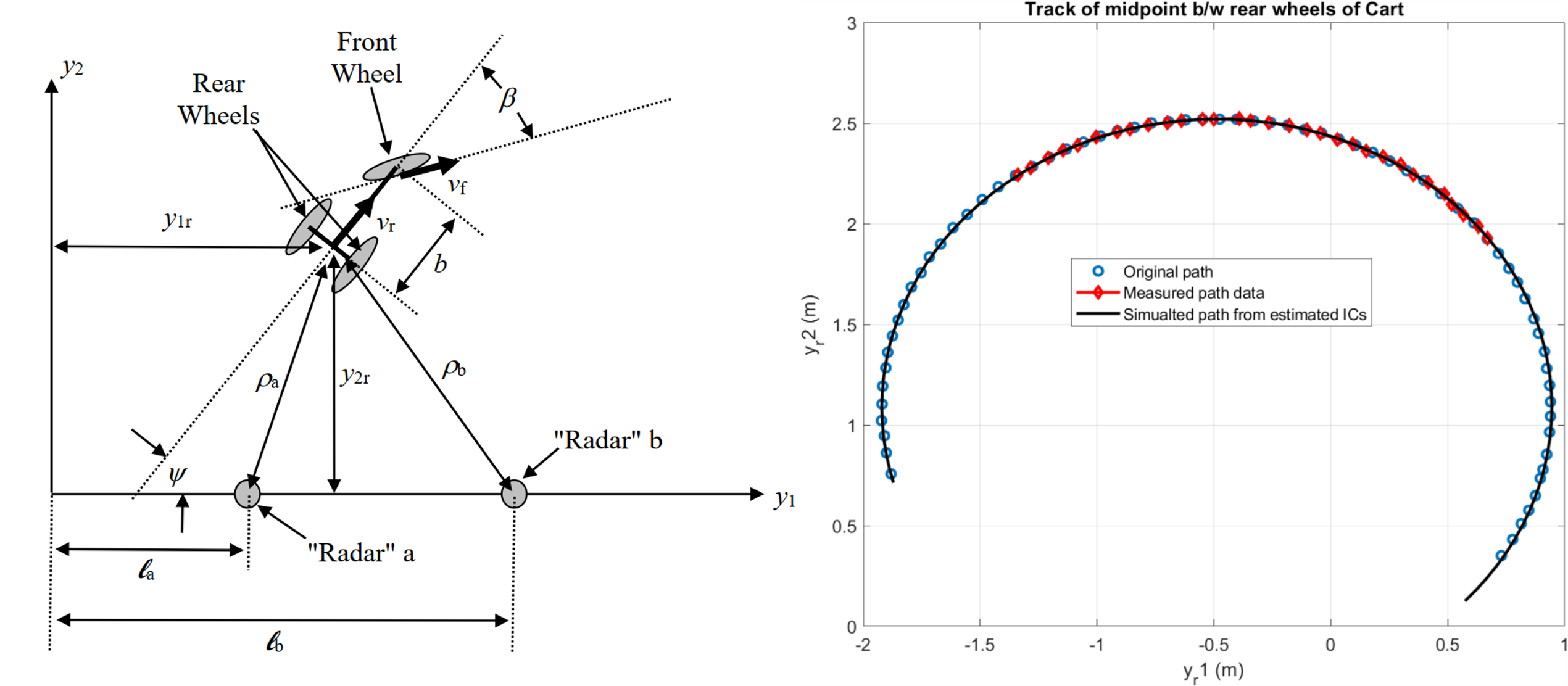
Developed and compared batch and recursive estimation methods for nonlinear systems. For a tricycle cart model, a Gauss–Newton nonlinear least-squares estimator was implemented to estimate initial state and motion parameters using range-only measurements from multiple radar sensors and a nonlinear kinematic model. The solution was validated via forward simulation and trajectory reconstruction to confirm consistency between estimated states and measured ranges.
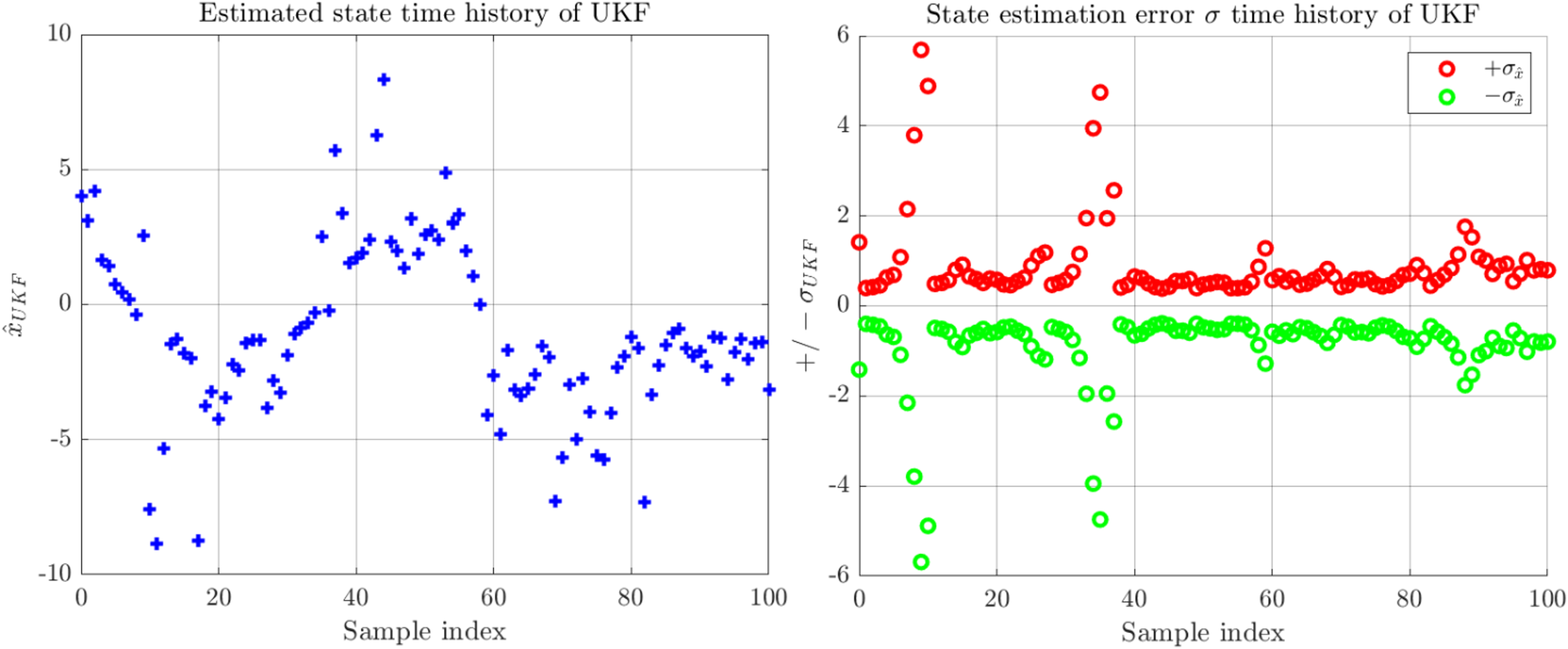
In a separate study, Particle Filtering, EKF, and UKF were implemented for a nonlinear dynamic system and compared under identical measurement conditions. The particle filter used bootstrap sampling with log-likelihood weighting to avoid numerical underflow and resampling to mitigate particle degeneracy. EKF and UKF were configured using standard linearization and sigma-point methods, respectively, and evaluated against particle filtering. State estimate trajectories, uncertainty evolution, and robustness to non-Gaussian effects were analyzed to highlight tradeoffs in accuracy, numerical stability, and estimator consistency.
- Batch Gauss–Newton NLLS estimator for range-only tricycle tracking with parameter and state estimation.
- Recursive estimators: Particle Filter with log-likelihood weighting, plus EKF and UKF baselines.
- Comparison of estimates and uncertainty behavior under nonlinearity and non-Gaussian measurement effects.
MPC-based trajectory tracking for a tractor-trailer system
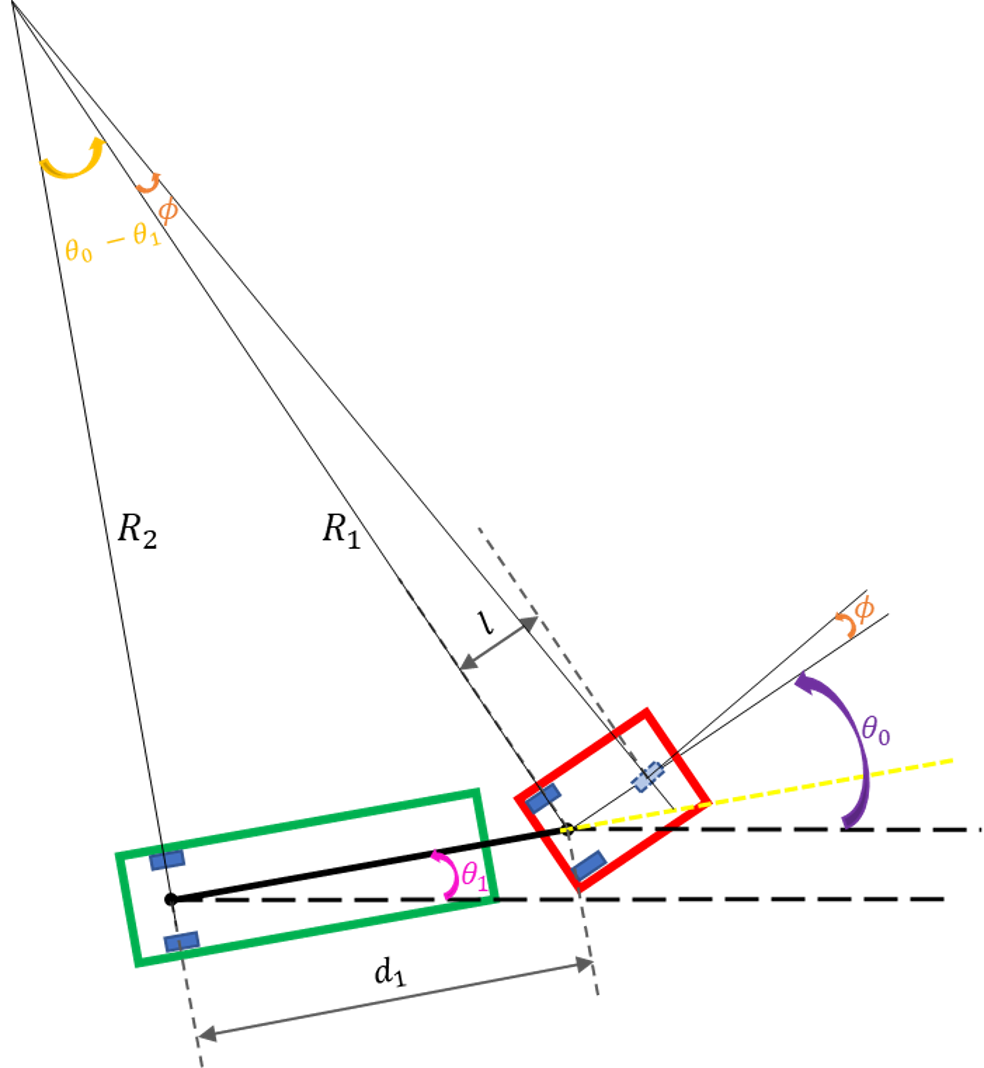
Developed a Model Predictive Control (MPC) framework for trajectory tracking of a tractor-trailer system, with explicit handling of non-holonomic constraints and control allocation to optimize tracking performance.
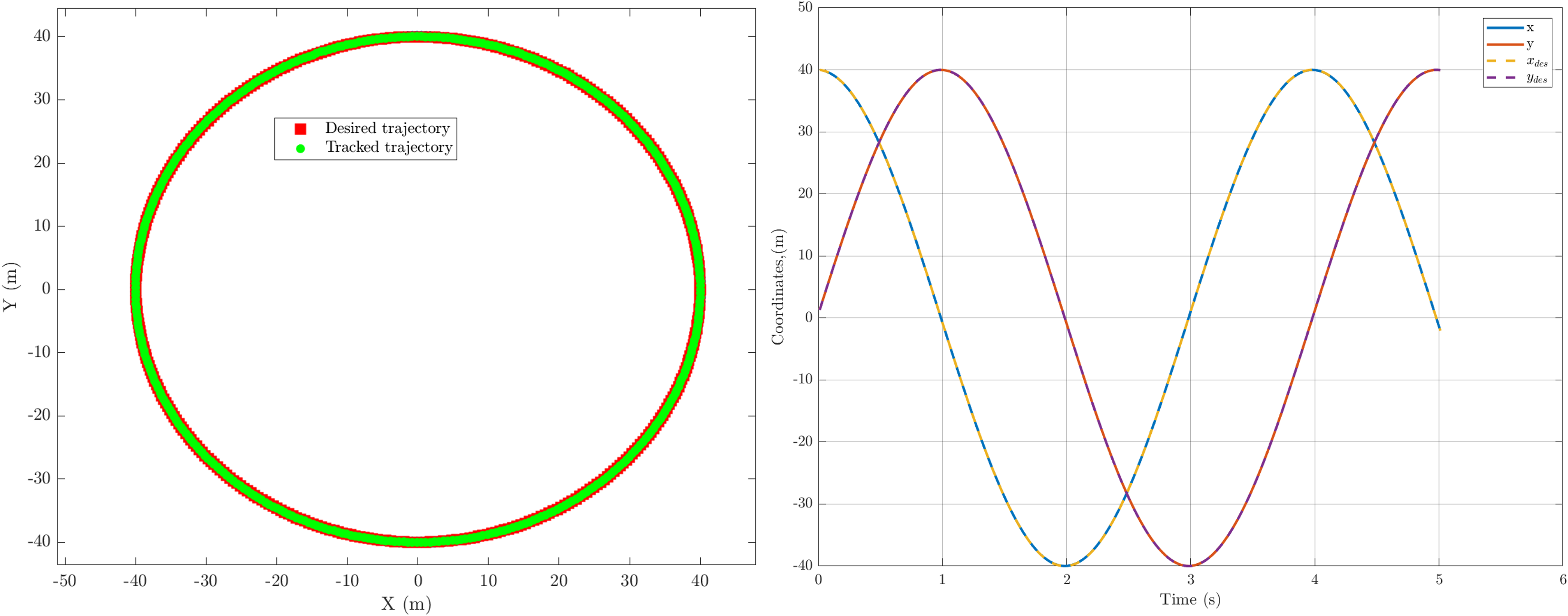
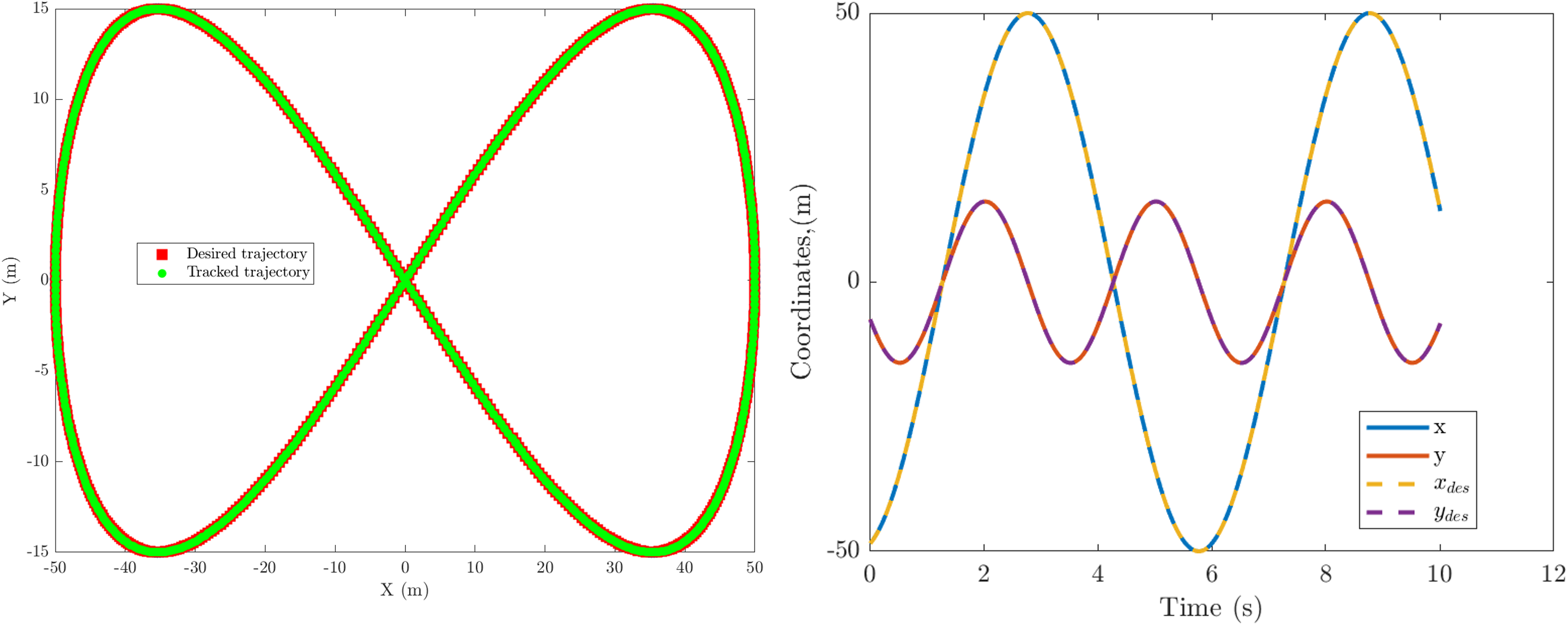
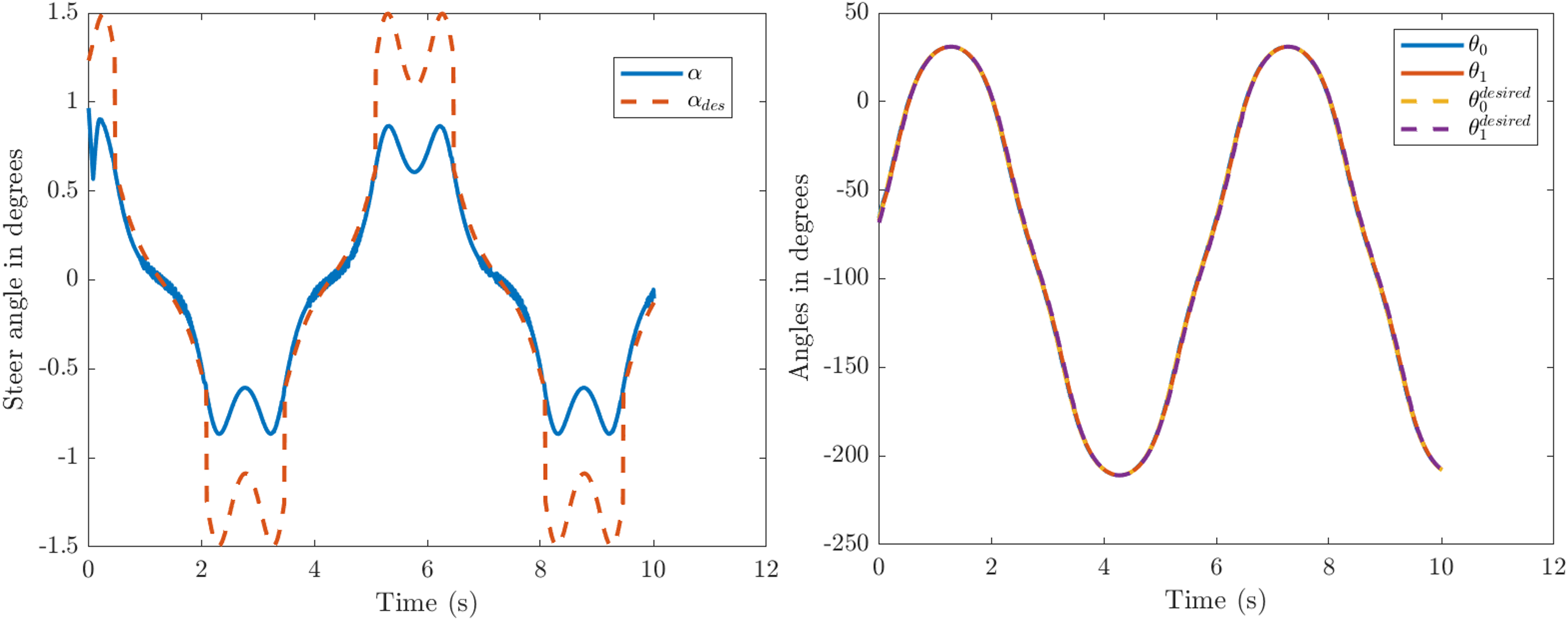
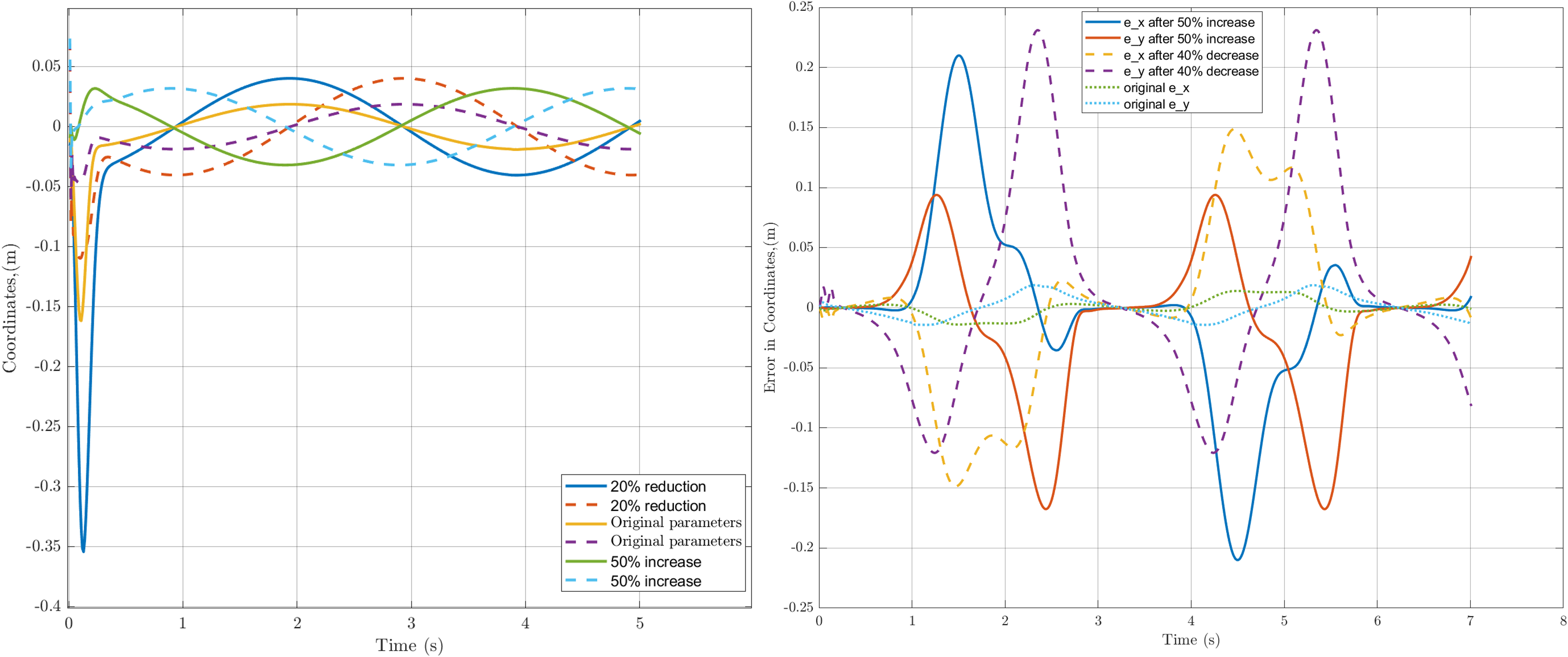
Demonstrated successful path tracking on both circular and figure-eight trajectories through comprehensive simulations. Conducted robustness analysis to evaluate sensitivity to parameter variations, showing resilience in maintaining desired speed while minimizing tracking errors.
- MPC formulation for a tractor-trailer with non-holonomic constraints and optimized control authority.
- Validated on circular and figure-eight trajectories with tracking and steering performance plots.
- Robustness study showing stable performance under parameter uncertainty.
Linear system identification and output-feedback control of a black-box MIMO plant
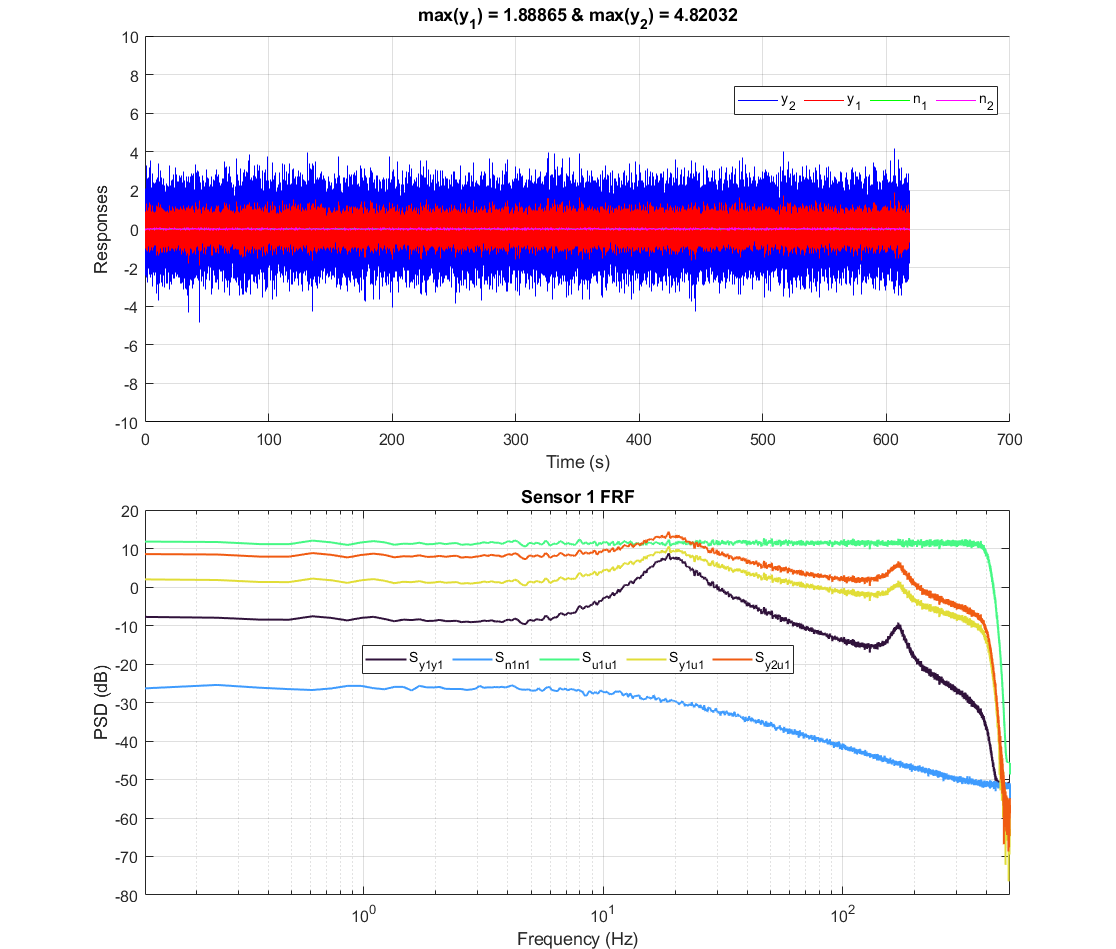
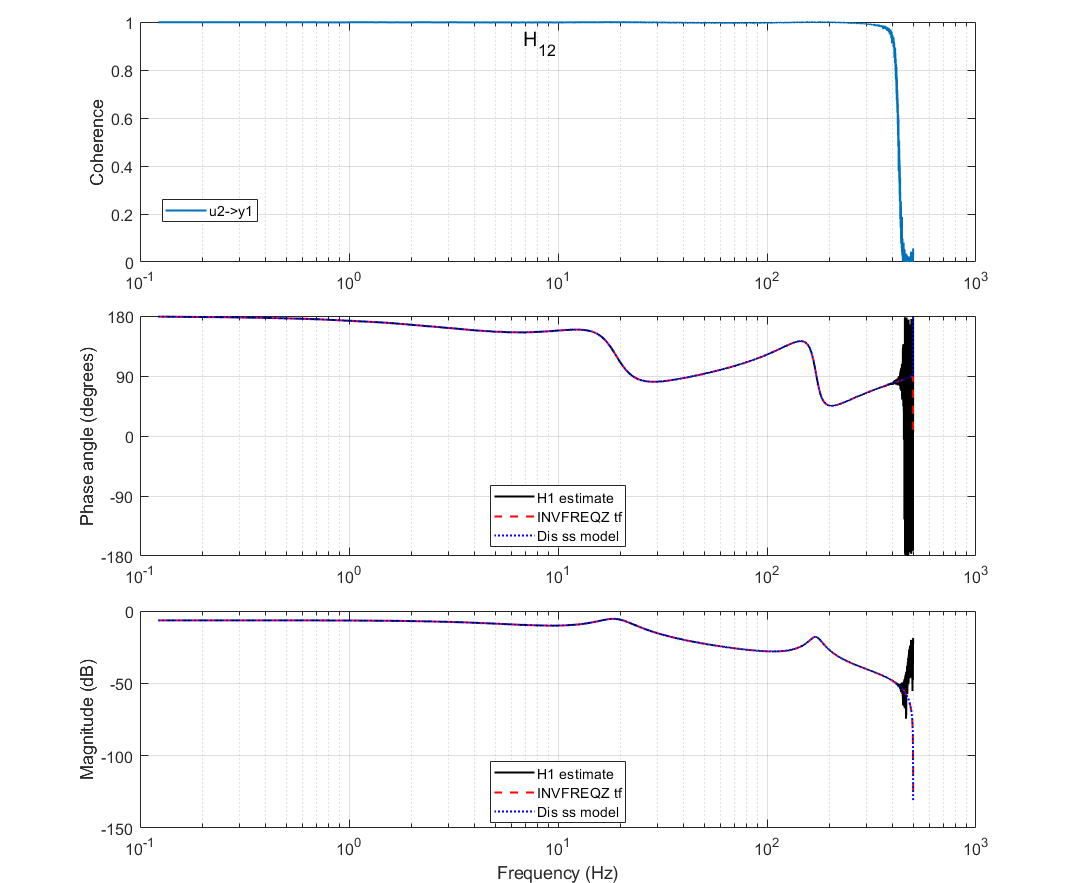
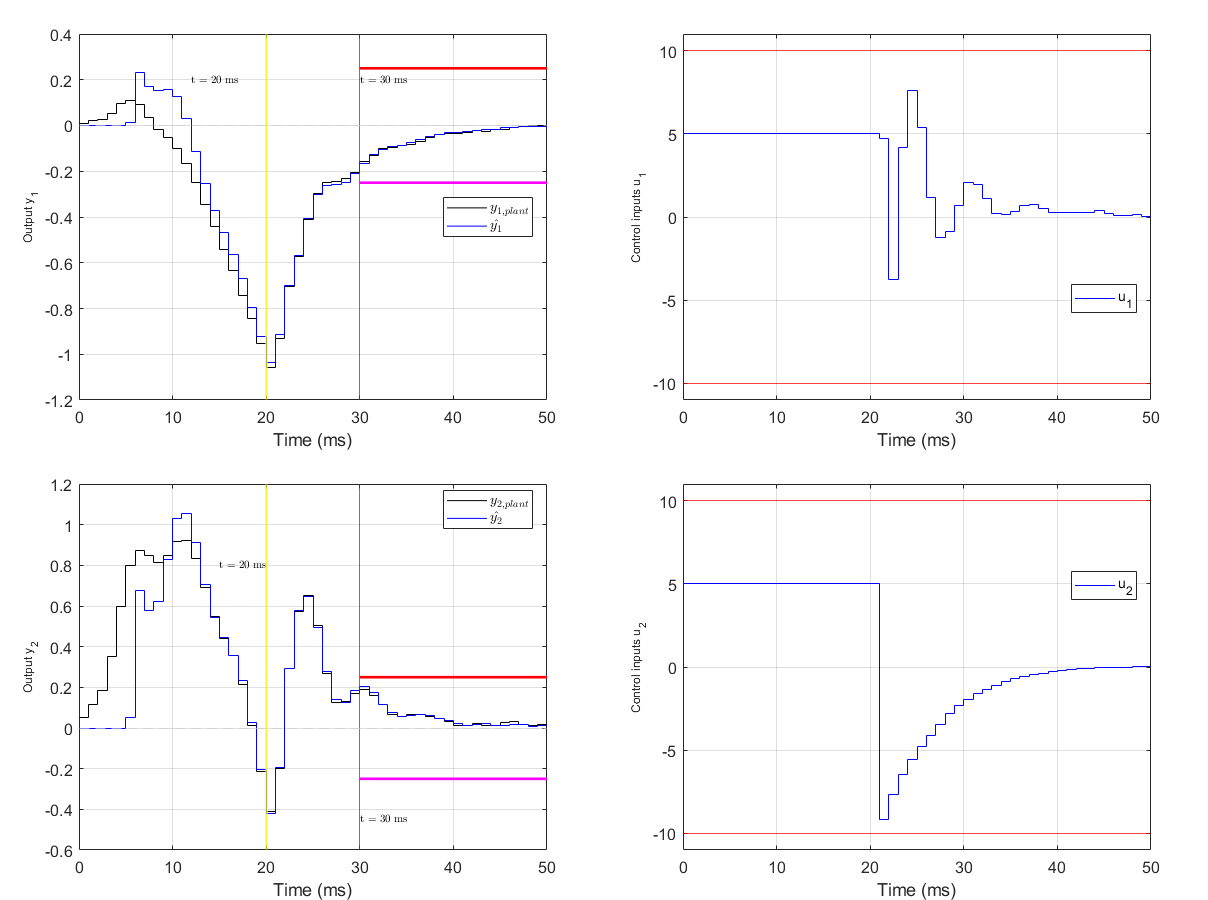
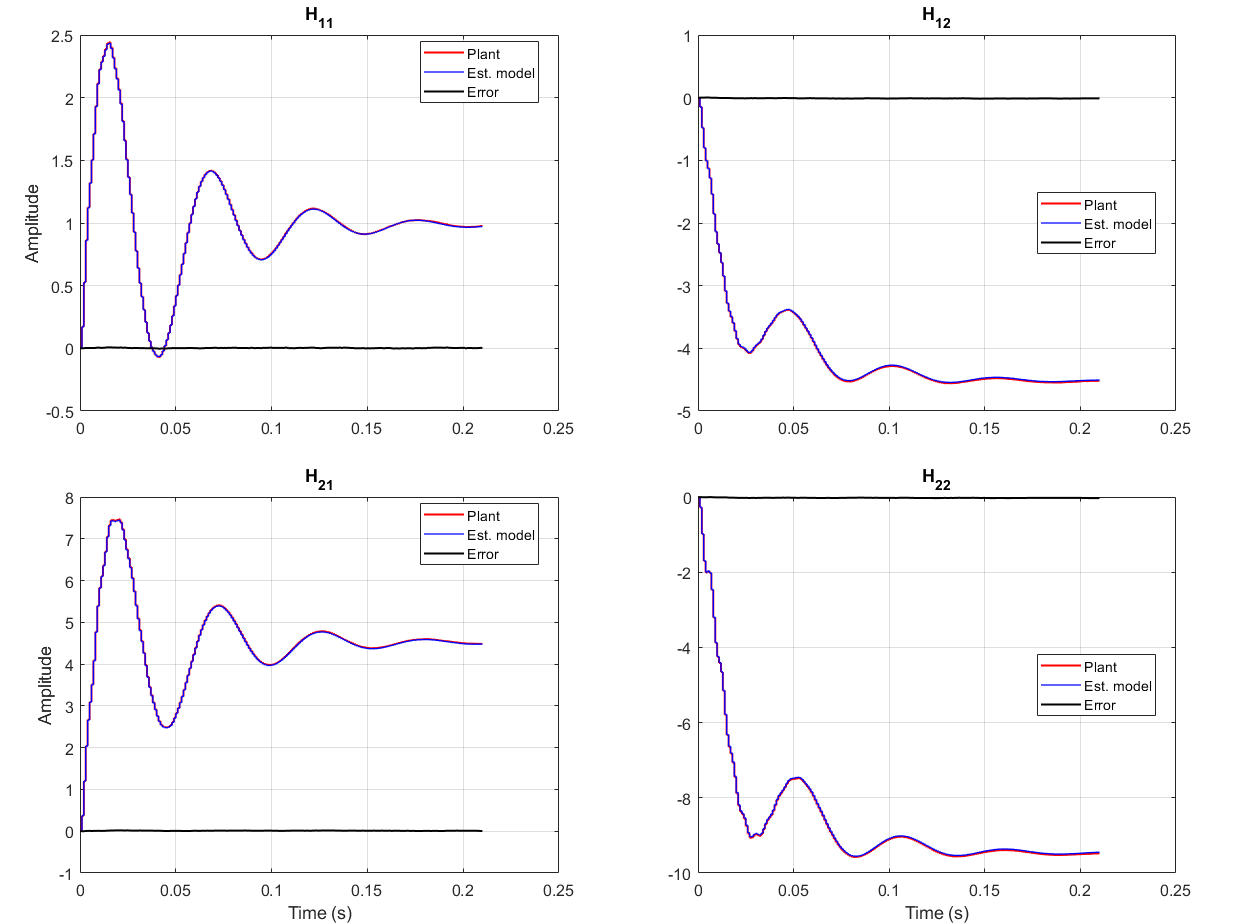
This project was completed in two stages. Stage 1 focused on developing and validating a controllable and observable discrete-time model of a black-box MIMO plant using linear system identification. Frequency-response (FRF) based methods were used, requiring careful design of excitation signals to sufficiently excite all relevant modes in the bandwidth of interest while avoiding clipping in both control inputs and measured outputs. After achieving adequate SNR on each path, H1 FRF estimates were computed for all four input–output paths.
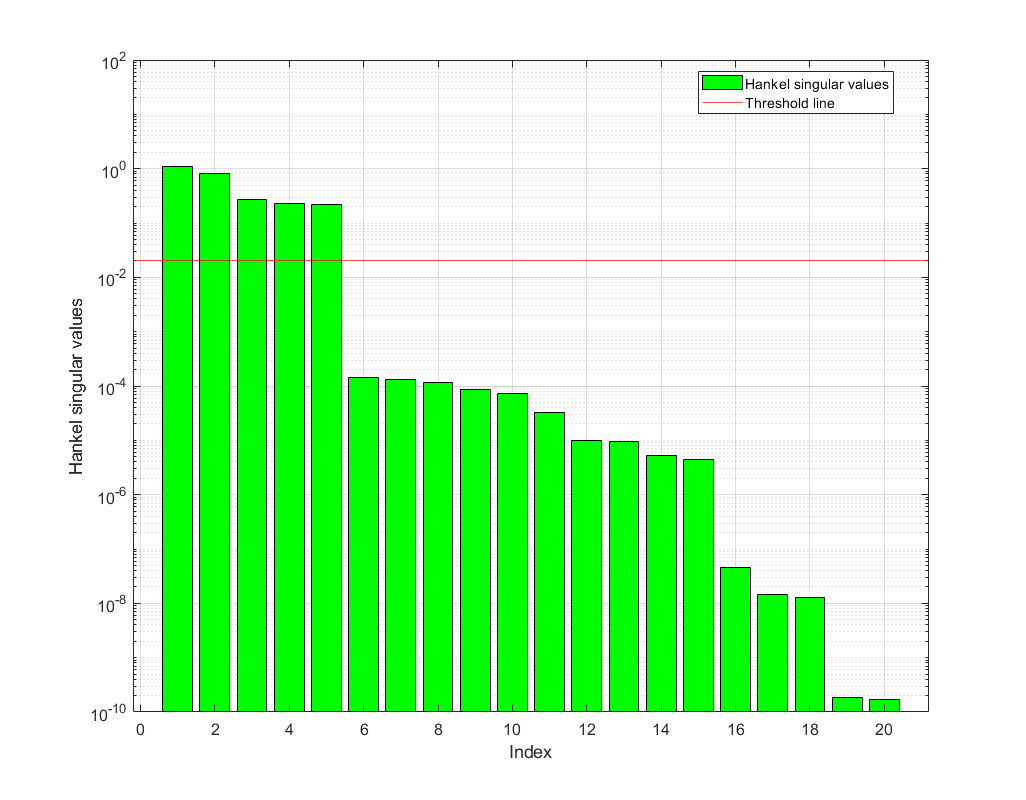
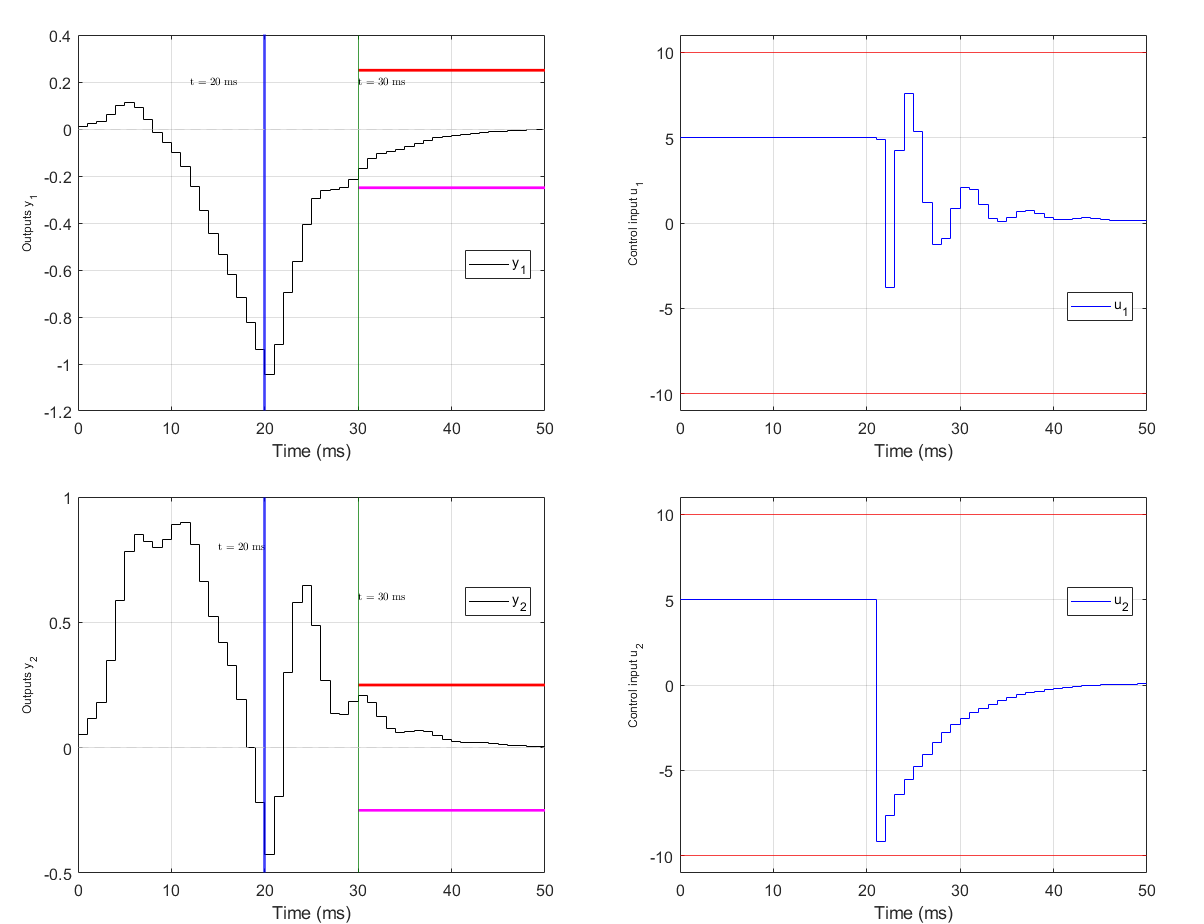
Discrete-time transfer functions were fit to the FRF estimates and converted to equivalent discrete LTI state-space models. Model order reduction was performed using Hankel singular values to obtain a balanced realization, followed by validation against the physical plant in both frequency and time domains. Stage 2 addressed controller synthesis. An LQR-based state feedback law was designed first to compute an optimal gain matrix for the estimated plant, and then extended to output feedback by pairing full-state feedback with a Kalman state estimator (LQG). Estimator tuning (process noise covariance) was adjusted to ensure estimation convergence and meet closed-loop performance targets.
- FRF-based MIMO system ID with excitation design, SNR checks, and H1 estimates across four paths.
- Discrete-time TF and state-space modeling with Hankel-based model order reduction and validation.
- LQR design extended to output feedback via Kalman estimation (LQG) with estimator tuning.
MIMO output-feedback control of a satellite with flexible solar panels
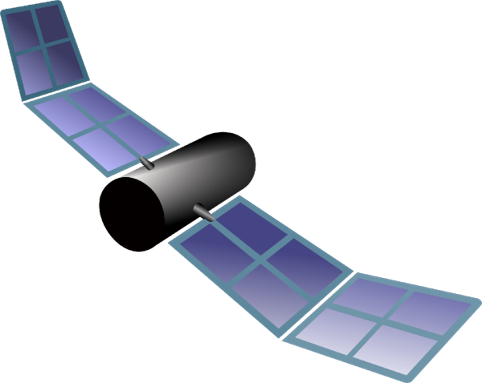
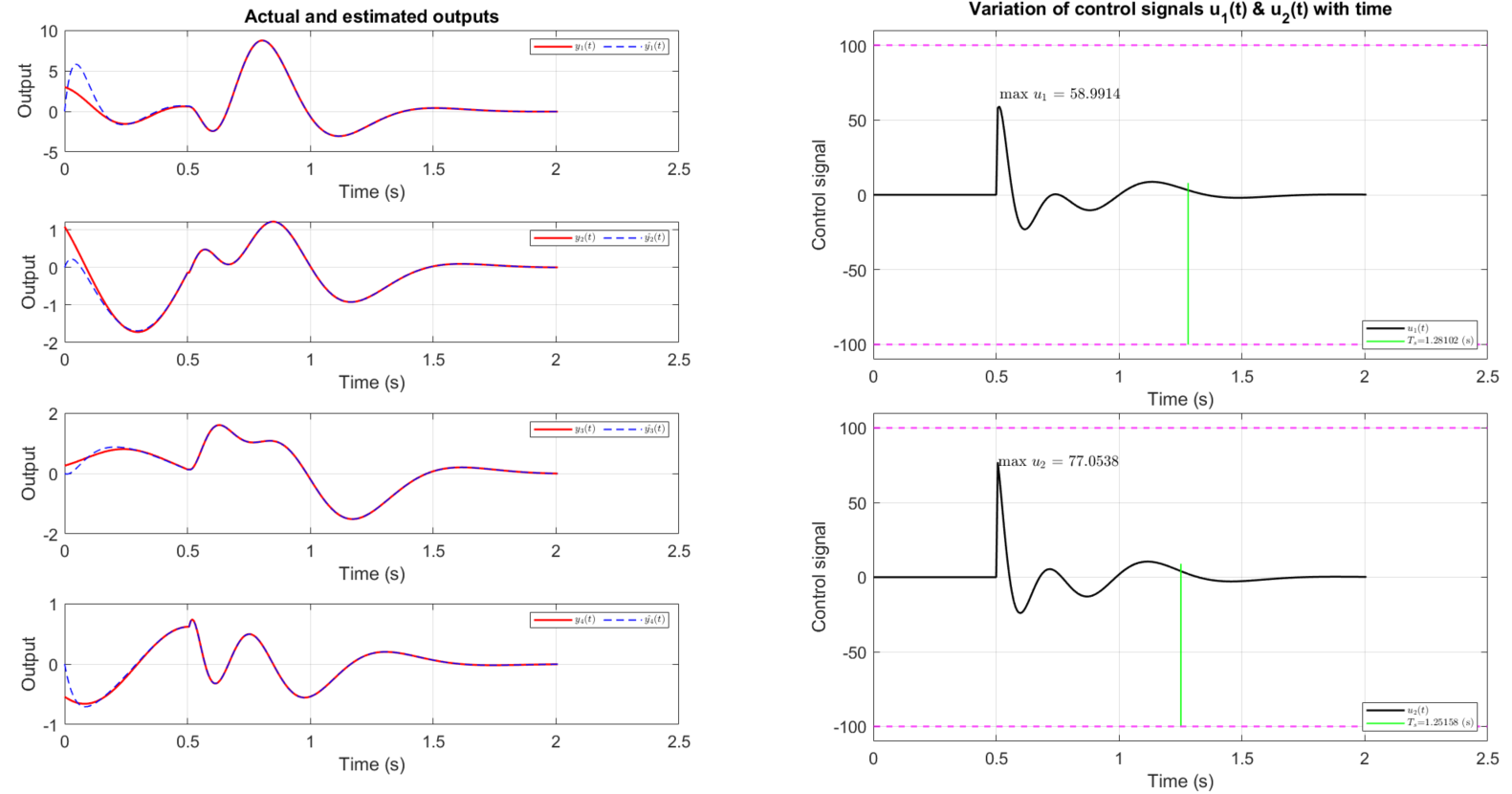
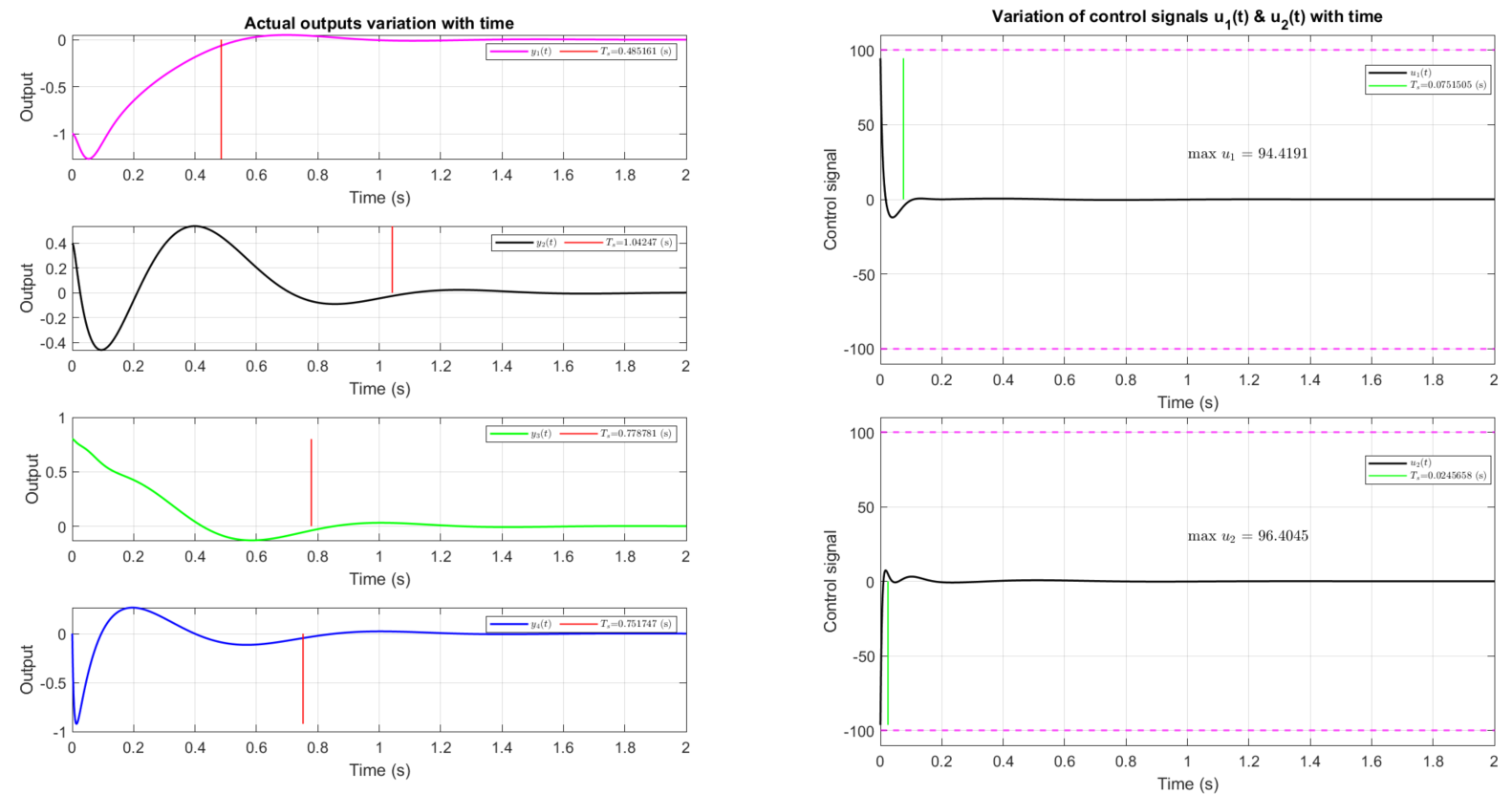
This simulation study developed a MIMO control system to regulate both rigid-body pointing modes and flexible vibration modes of a satellite with flexible solar panels. The plant includes two bi-directional attitude control thrusters (inputs) used to maintain panel orientation while actively damping vibrations induced by attitude maneuvers. Four sensors distributed along the panel length provide measurements of panel motion (outputs).
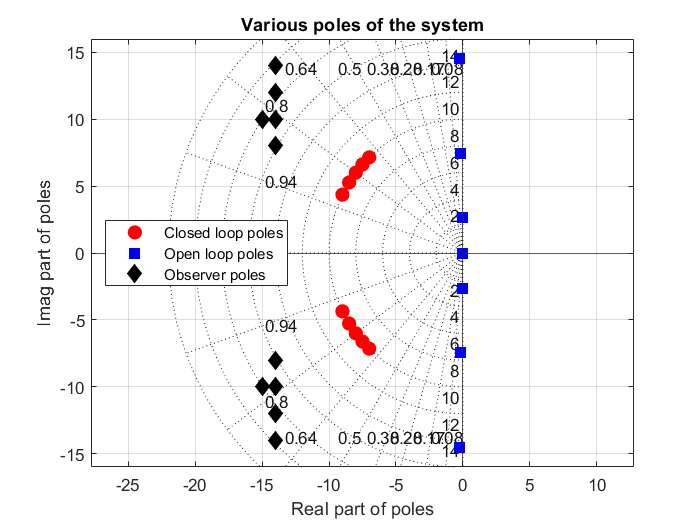
The design objective was an output-feedback controller that drives the four measured outputs to zero using the two thrusters. The workflow included open-loop evaluation of controllability, output stability, and observability, followed by full-state feedback design, observer-based output feedback using a Luenberger estimator, and an LQR optimal compensator, with validation via time-domain responses and pole/response checks.
- Open-loop analysis for controllability and observability, with baseline response characterization.
- Full-state feedback and output-feedback control using Luenberger state estimation.
- LQR-based optimal compensator design and validation using pole/response and closed-loop results.

Rotor dynamics analysis of rotor–bearing systems (analytical, simulation, and FEM)
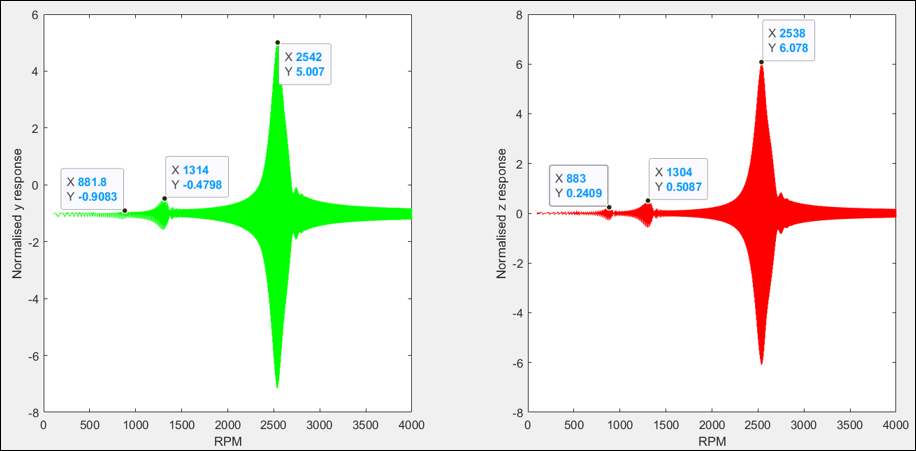
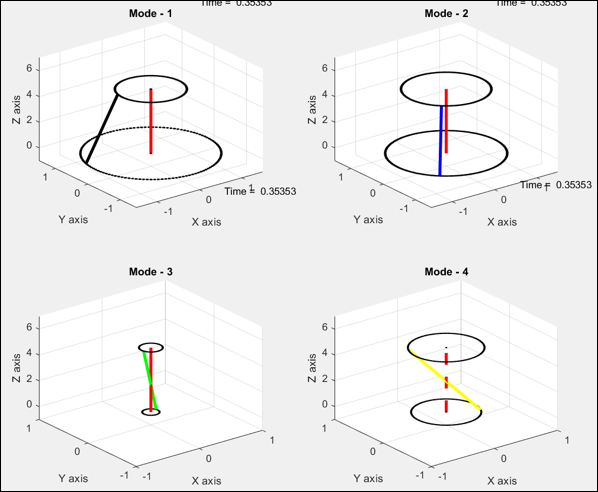
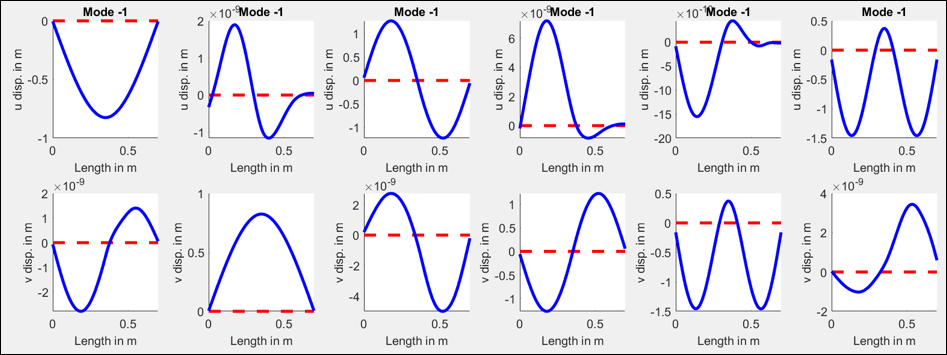
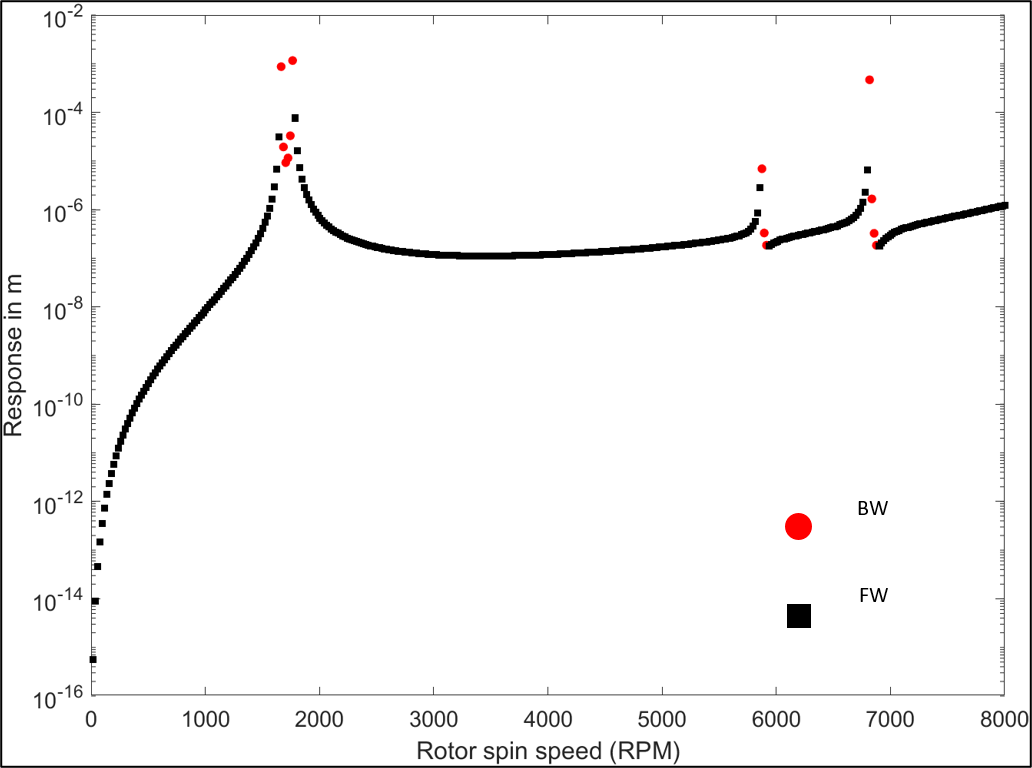
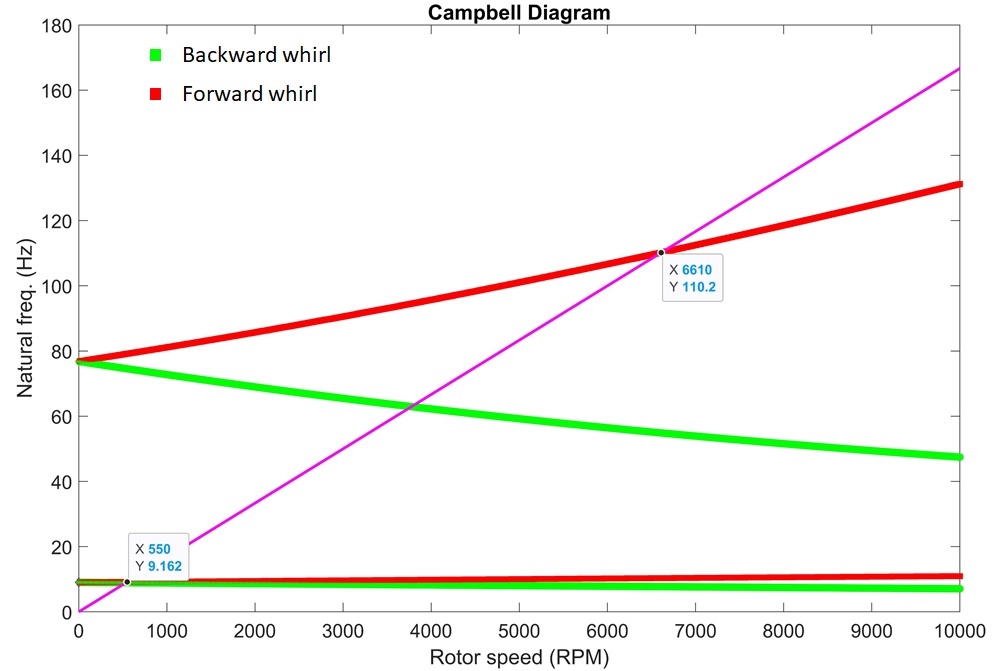
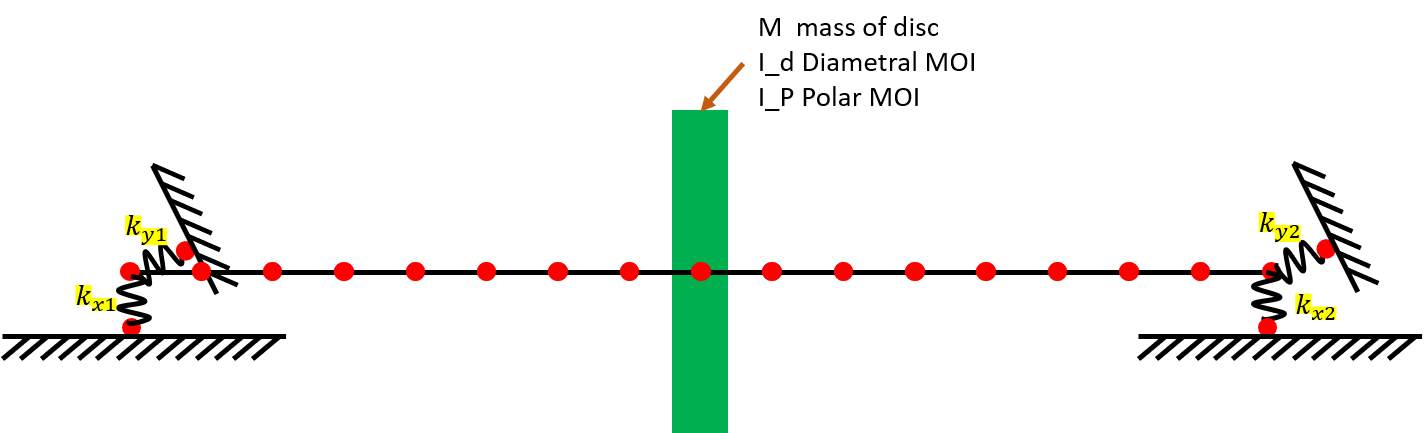
This project developed and analyzed rotor–bearing system dynamics using three complementary modeling levels. First, an analytical rigid rotor–bearing model with 4 DOF was implemented to study natural frequency variation with RPM, identify forward and backward whirl characteristics, and generate animations of mode shapes at the corresponding resonances.
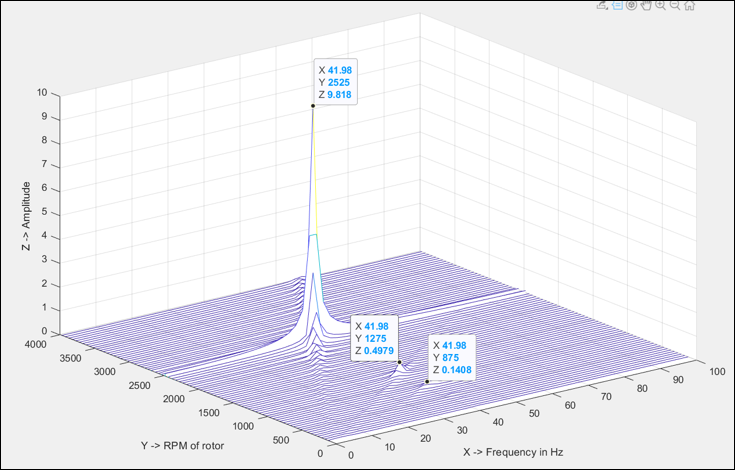
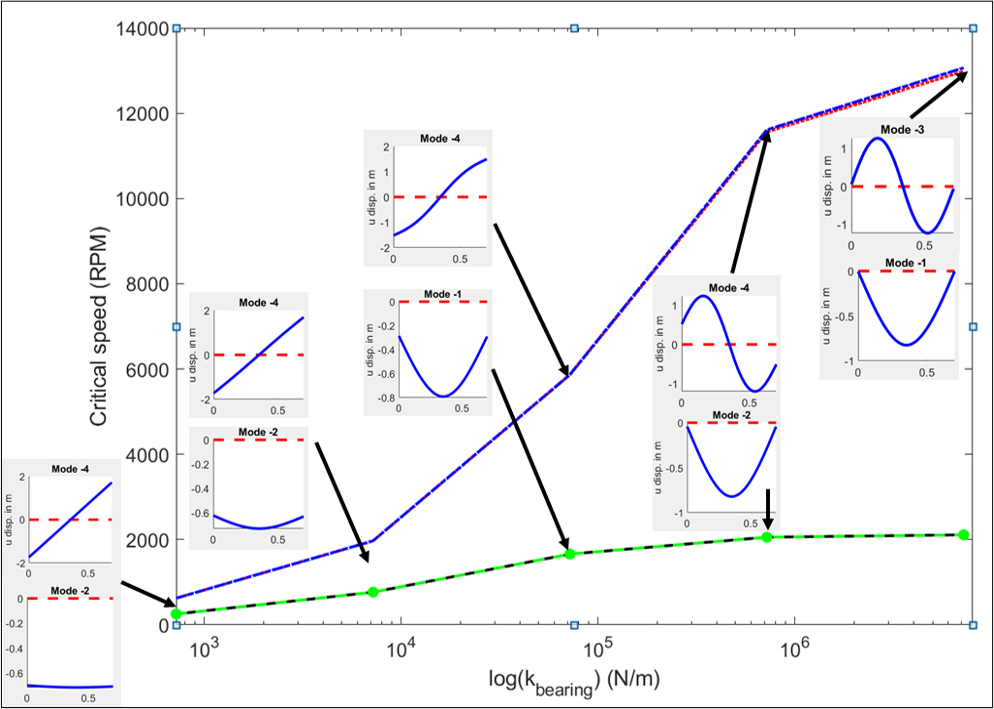
Second, MATLAB-based numerical simulations were performed for a Jeffcott rotor coasting up through its critical speed to the operating range. The model was extended to capture common rotor faults including transverse cracks, stiffness asymmetry, bent rotor behavior, and rotor–stator rub. Third, a generic FEM-based rotor–bearing model was implemented in MATLAB (with bearing characteristics) to generate critical speed maps, evaluate unbalance vibration response, and animate operational deflection curves.
- 4-DOF rigid rotor–bearing analytical model with whirl identification and mode-shape animations.
- Jeffcott rotor run-up/coast-up simulation through critical speed, extended with defect models.
- Generic MATLAB FEM rotor–bearing framework for critical speed maps and vibration response analysis.
Engineering noise control of a vacuum cleaner through source characterization
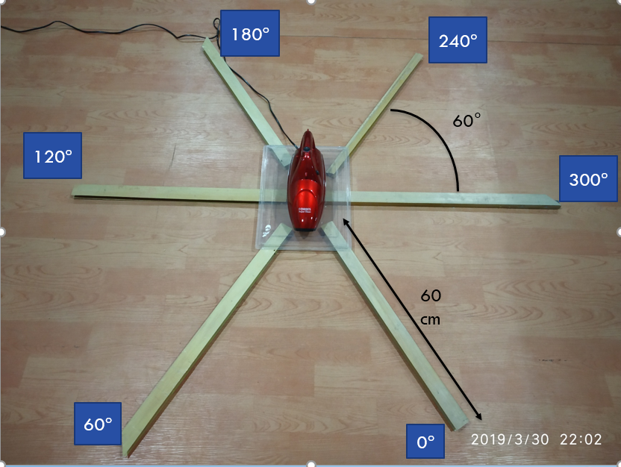
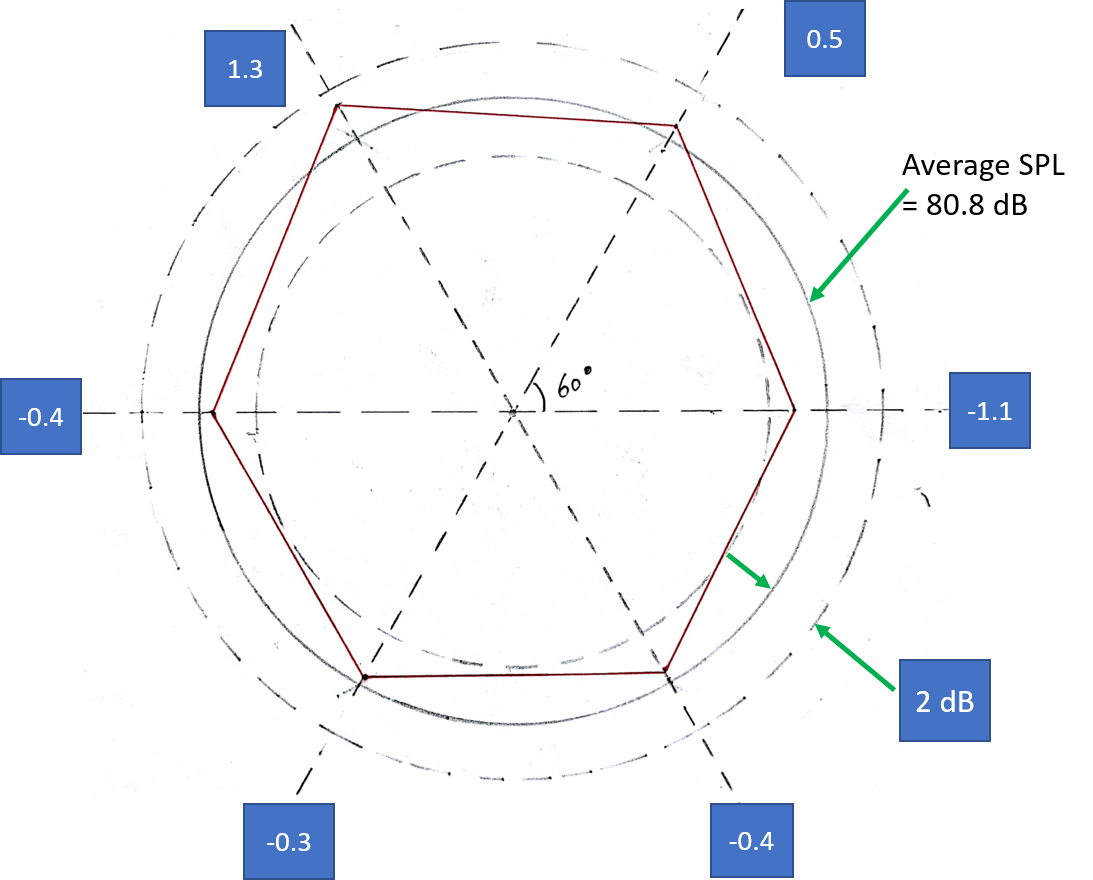
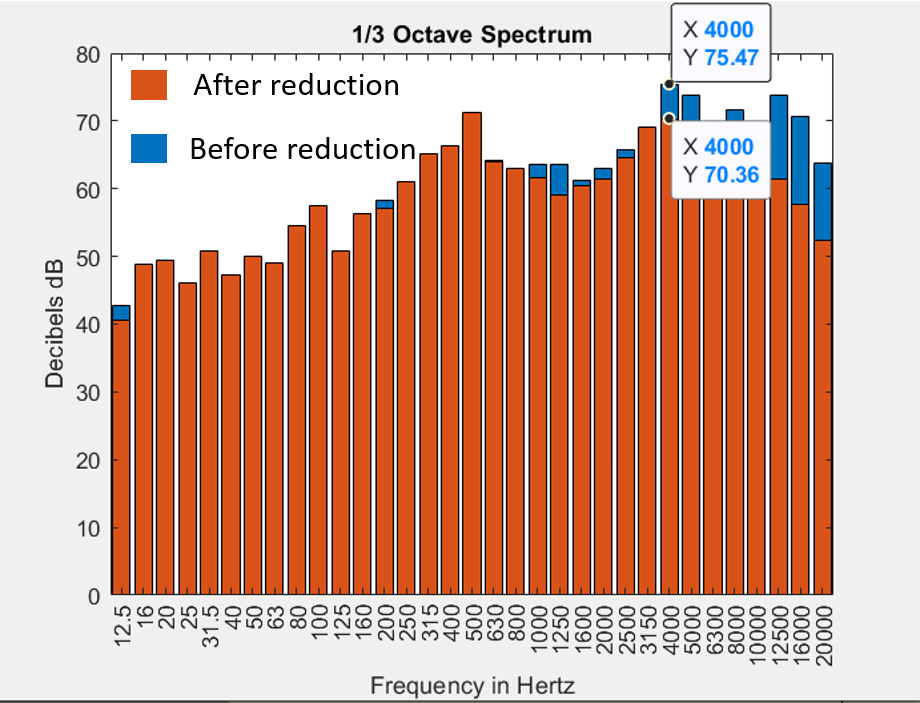
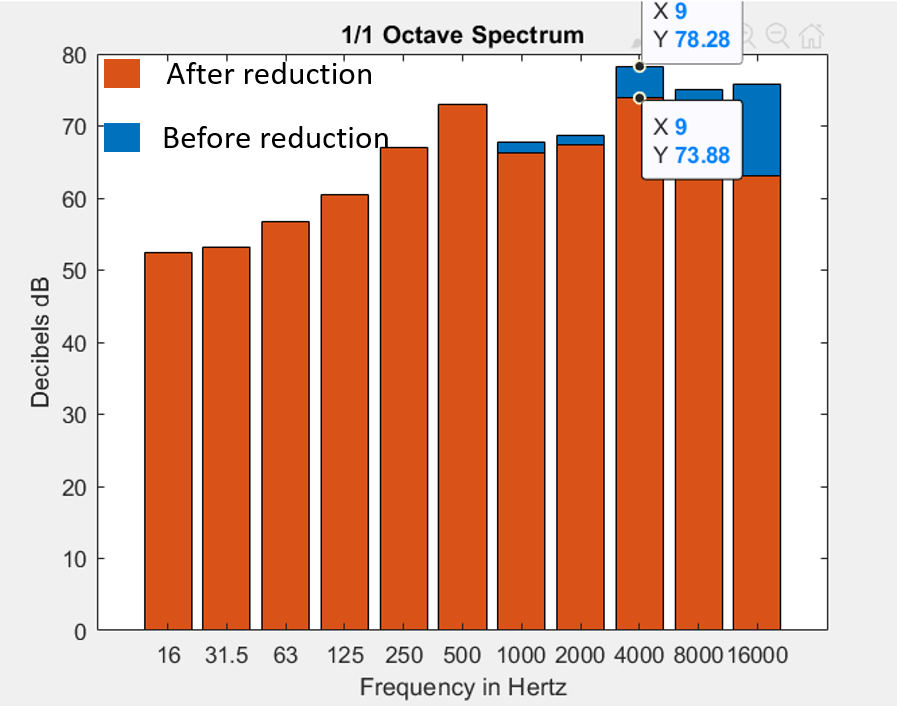
This project identified the dominant noise sources in a vacuum cleaner using source characterization methods, ranked them by contribution, and set a target overall dB reduction. Noise mitigation measures were then designed and implemented to meet the target level, including mufflers to reduce airborne noise and damping material mounts to reduce structure-borne transmission paths.
A custom MATLAB tool was developed to compute 1/3-octave band levels and overall sound pressure level (dB) from audio clips recorded using smartphone microphones. Although smartphone microphones have non-uniform sensitivity characteristics, the results were found to be satisfactorily close to measurements from a B&K professional sound analyzer, supporting rapid and low-cost acoustic diagnostics during the design iteration process.
- Noise source identification and ranking, followed by target dB level definition.
- Mitigation via mufflers (airborne) and damping mounts (structure-borne) to meet the target.
- MATLAB 1/3-octave + overall SPL tool validated against B&K analyzer measurements.